Latin America · Revolutionary cinema from Havana
Cinema of Cuba
32 films · 8 directors · 1947 to 2017
Start here

I Am
The film tells the story of a young Russian in the early 90s, trying to escape the army in a psychiatric clinic. He's released years later, after intensive compulsory treatment.
Where to watch
Checked today
No verified streams today
MUBI and Criterion often carry films like this.
Streaming data by Movie of the Night
Defining films

I Am
Memories of Underdevelopment

One Way or Another
Cuba and the Cameraman

Strawberry and Chocolate

Death of a Bureaucrat
Behavior

The Last Match
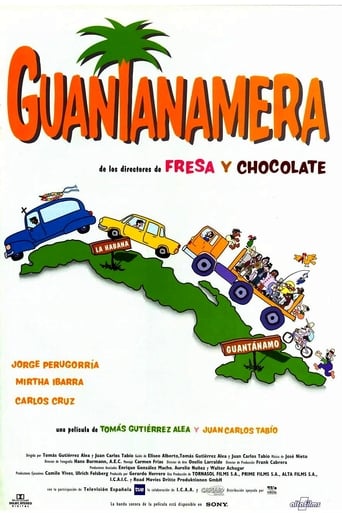
Guantanamera

7 Days in Havana
The Oath
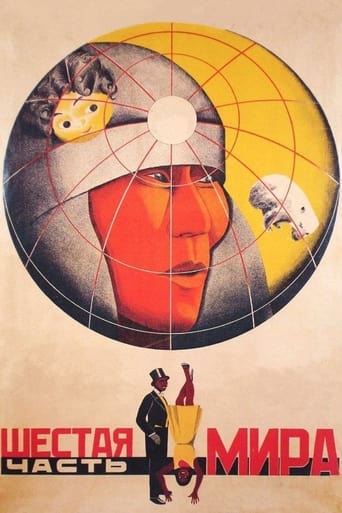
La sexta parte del mundo

Twelve Chairs
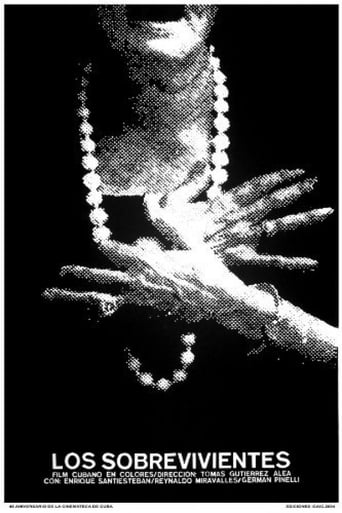
The Survivors

Letters from the Park
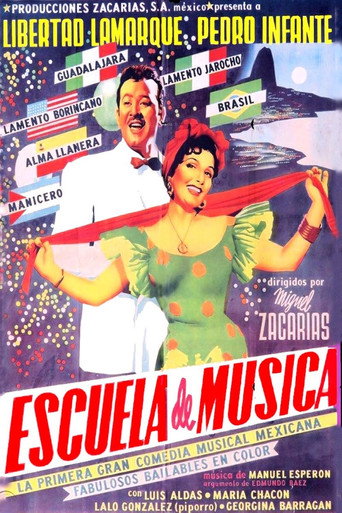
Music School
Up to a Certain Point

Stories of the Revolution
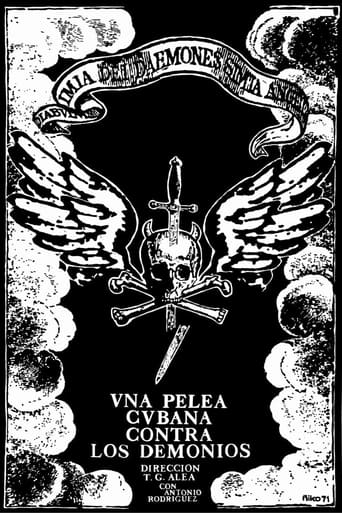
Cuban Fight Against Demons

Esta tierra nuestra

La caperucita roja
El mégano
El mégano
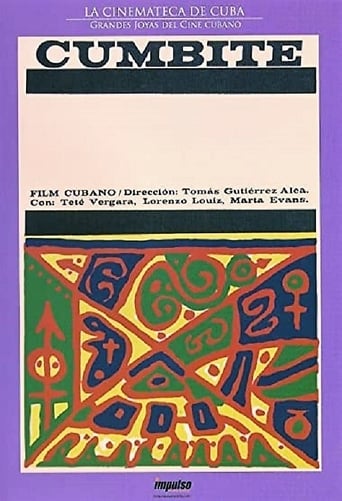
Cumbite
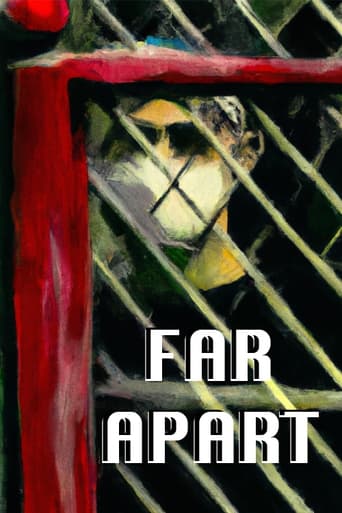
Far Apart
Directors
Films by decade
One Way or Another
La sexta parte del mundo
The Survivors
Cuban Fight Against Demons

Last Supper
El camino de la mirra y el incienso
El camino de la mirra y el incienso

El arte del tabaco
Memories of Underdevelopment
Death of a Bureaucrat
Twelve Chairs
Stories of the Revolution
Cumbite
Death to the Invader
Death to the Invader

General Assembly