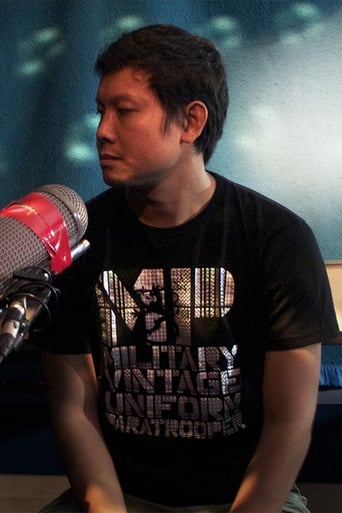
Apichatpong Weerasethakul
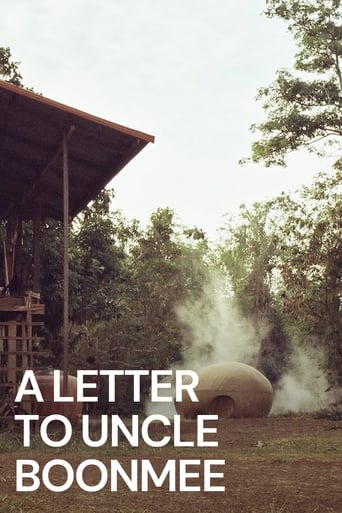
His films drift between hospital wards, jungles and past lives without marking the border. Uncle Boonmee and Memoria treat memory as a physical presence, something that hums in a room and follows you out.
Start here
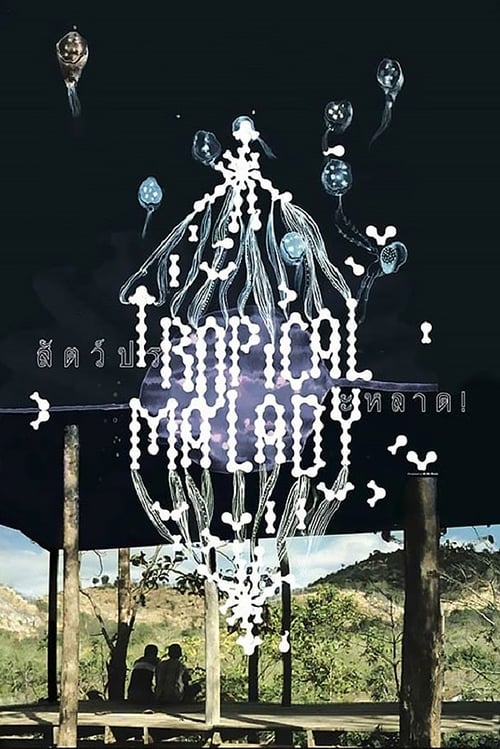
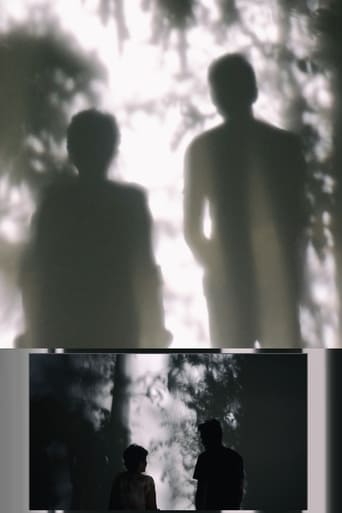
Tropical Malady
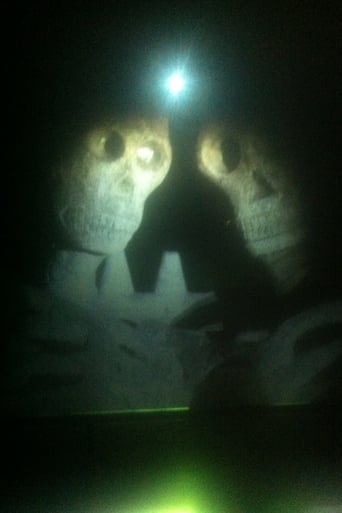
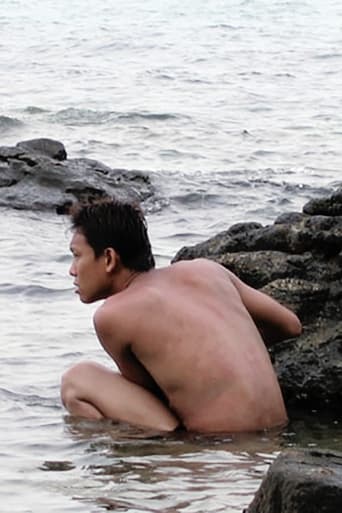
The passionate relationship between two men with unusual consequences. The film is divided in two parts.

Defining films

Keep following
Both filmmakers of absence, they allow long stretches of emptiness and waiting, trusting the audience to find meaning in what isn't shown. Cinema as contemplation, not explanation.
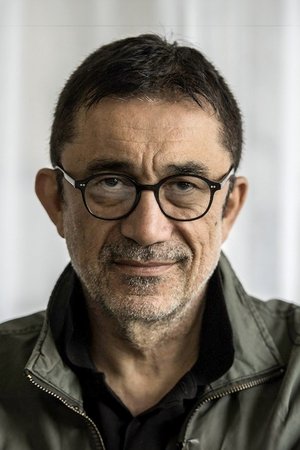
Shared obsession with provincial life, the passage of time, and the weight of history on ordinary bodies. Both use landscape as character.
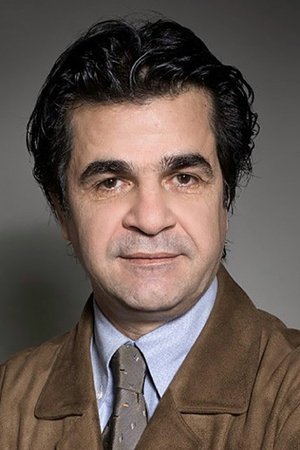
Contemporary Asian auteurs who reject Western narrative convention, both exploring the textures of daily life with formal innovation and spiritual depth.
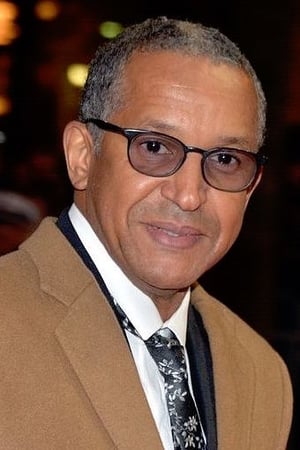
Both filmmakers of estrangement and return, cinema as elegy. They transform the mundane into the mythic through patience, sound design, and the accumulation of small, devastating details.
In their own words
Juliet of the Spirits has this quality of the subconscious. When I try to represent characters' inner worlds, their dreams or memories, it's not always so clear cut what is real and what is not. This is something I'm exploring in Uncle Boonmee.
Tarkovsky's 'Stalker' is like a pilgrimage with the land itself feeling alive. I try to bring that sense of mystery and living landscape into my films.
When I try to represent characters' inner worlds, their dreams or memories, it's not always so clear cut what is real and what is not. This is something I'm exploring in Uncle Boonmee and have been exploring for some time.
I was watching a lot of Godard, especially 'Histoire(s) du cinéma,' because it was so experimental, so different.
Critical context
b. 16 July 1970, Bangkok, Thailand
Films by decade