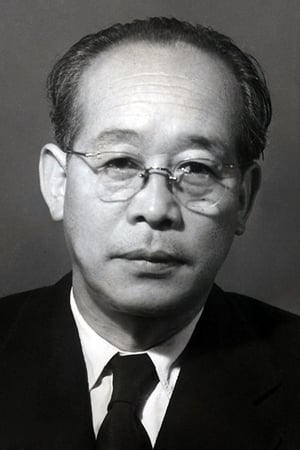
Kenji Mizoguchi
89 films · 1923 to 1956 · 6 on TSPDT
Born 16 May 1898, Asakusa, Tokyo, Japan · Died 24 August 1956
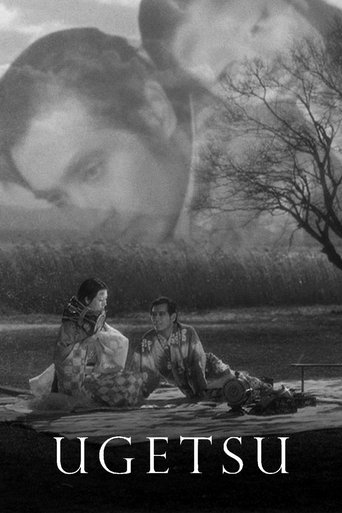
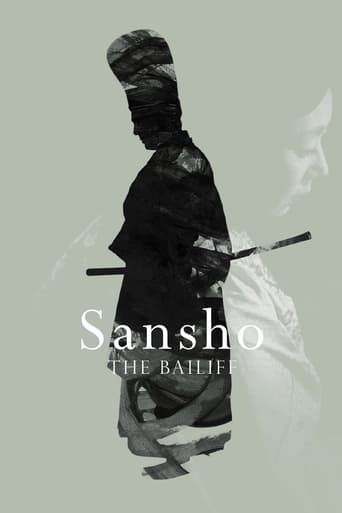
Kenji Mizoguchi (1898-1956) was a Japanese director who developed a distinctive visual style emphasizing long takes, deep-focus cinematography, and mobile framing to capture human emotion and social dynamics. His films often examined the lives of women in Japanese society, particularly in works like *Ugetsu* (1953) and *Sansho the Bailiff* (1954), which combined historical settings with contemporary social critique. Mizoguchi's approach to mise-en-scène and his use of negative space influenced generations of filmmakers internationally. His work remains central to discussions of Japanese cinema and the development of modernist film aesthetics in the postwar period.
Defining films
Films by decade

Crucified Lovers / A Story From Chikamatsu
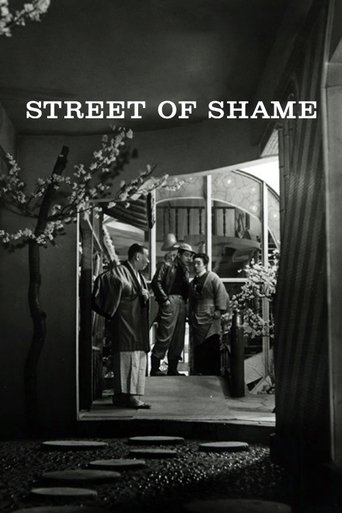
Street of Shame

The Empress Yang Kwei Fei

Tales of the Taira Clan
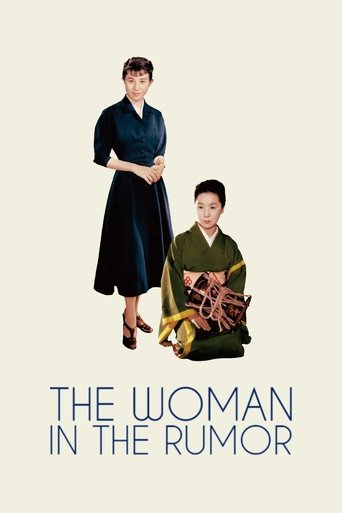
A Woman of Rumour / The Crucified Woman
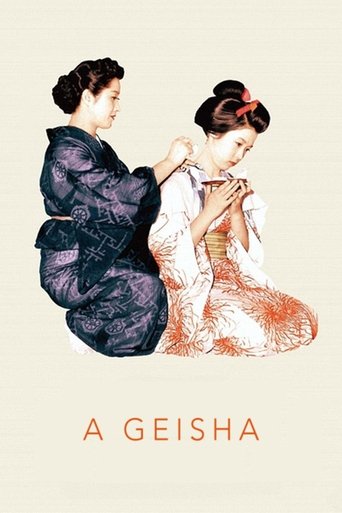
Gion Festival Music
The Lady From Musashino
The Lady From Musashino
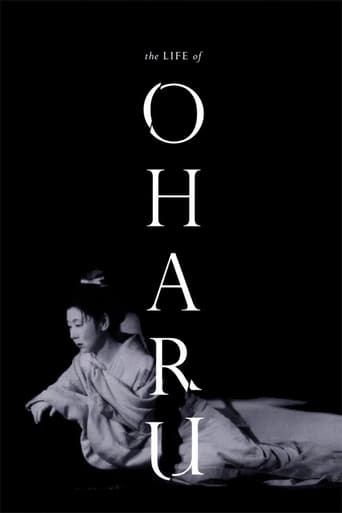
The Life of Oharu / The Life of a Woman, by Saikaku
The Life of Oharu / The Life of a Woman, by Saikaku
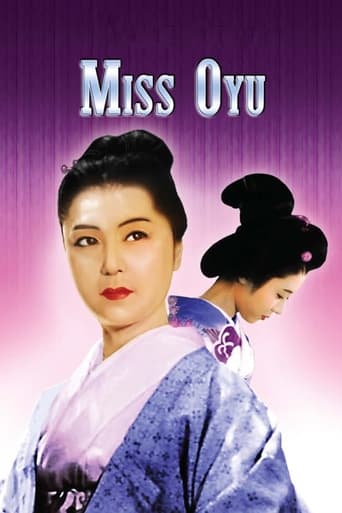
Miss Oyu
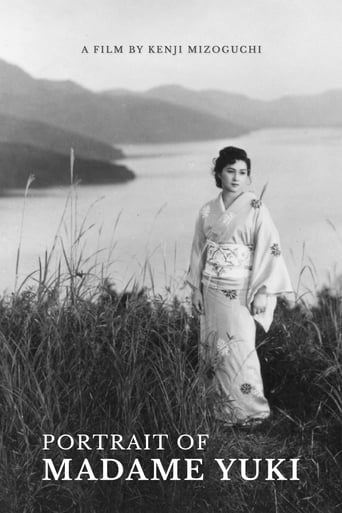
Portrait of Madame Yuki
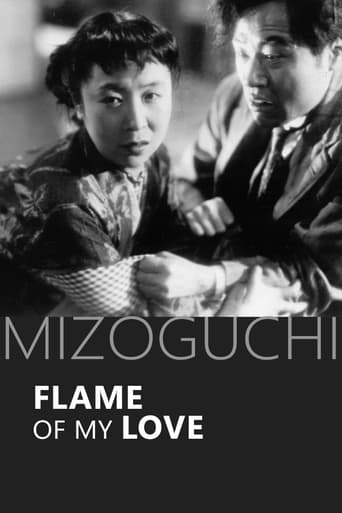
My Love Has Been Burning
Women of the Night
The Loves of Actress Sumako
The Loves of Actress Sumako
Victory of Women
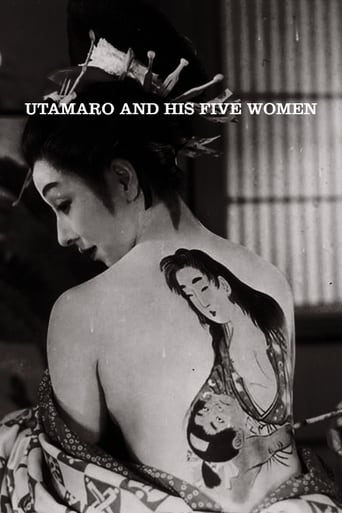
Five Women Around Utamaro
Five Women Around Utamaro
The Famous Sword
Victory Song
The Swordsman
Three Generations of Danjuro
Three Generations of Danjuro
The Loyal 47 Ronin of the Genroku Era
The Life of an Actor
The Life of an Actor
A Woman of Osaka
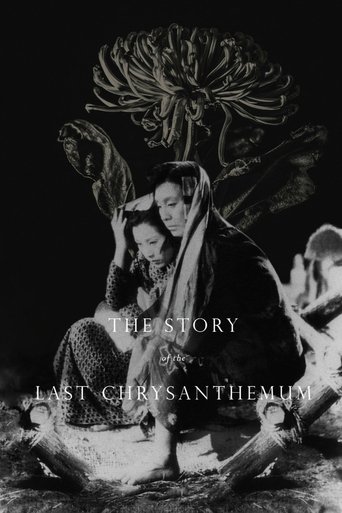
Story of the Late Chrysanthemums
Story of the Late Chrysanthemums
Song of the Camp
Song of the Camp
Ah, my Hometown
Ah, my Hometown
The Straits of Love and Hate
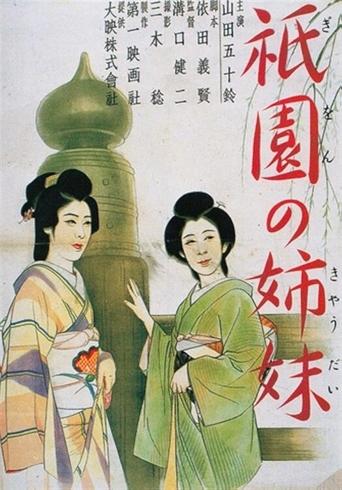
Sisters of Gion
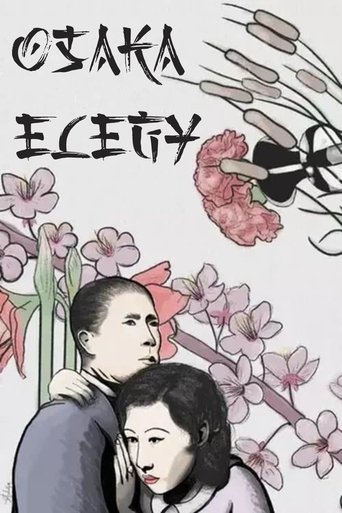
Osaka Elegy
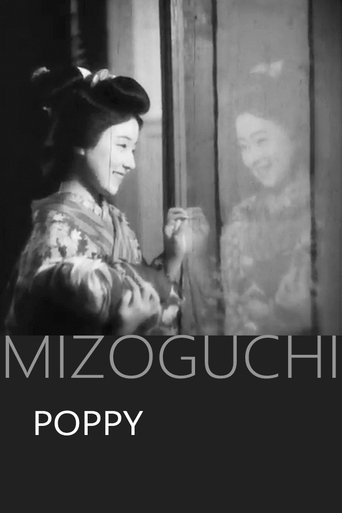
The Poppy
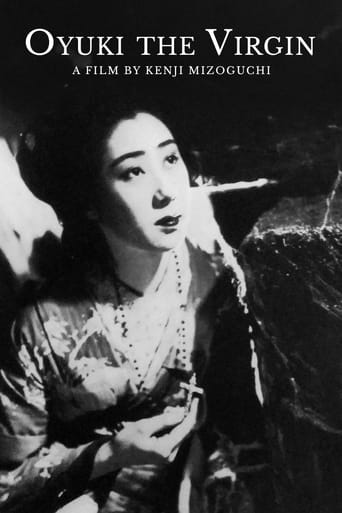
Oyuki the Virgin
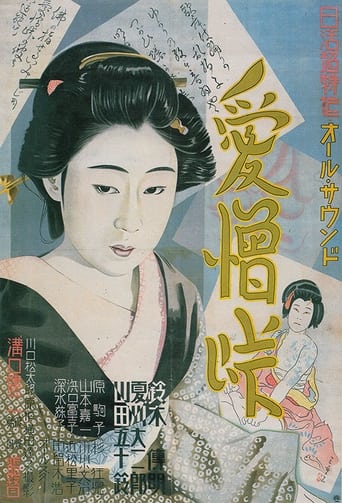
The Mountain Pass of Love and Hate
The Downfall of Osen / Osen of the Paper Cranes
The Downfall of Osen / Osen of the Paper Cranes
Gion Festival
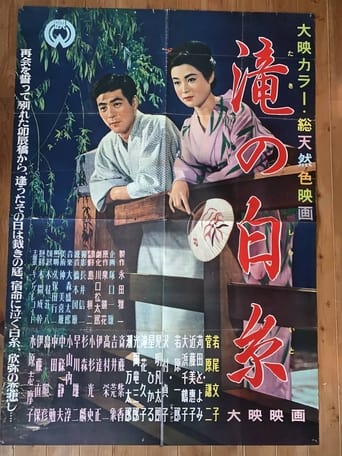
Cascading White Threads / White Threads of the Waterfall
The Shimpu Group
The Shimpu Group
The Man of the Moment / Timely Mediator
The Man of the Moment / Timely Mediator
Dawn in Manchuria / The Dawn of the Founding of Manchuko and Mongolia
Dawn in Manchuria / The Dawn of the Founding of Manchuko and Mongolia
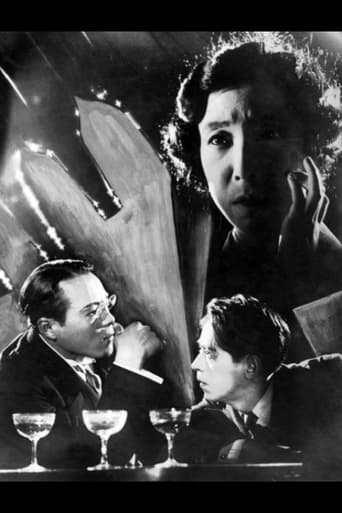
And Yet They Go On

Hometown
Okichi, Mistress of a Foreigner
Okichi, Mistress of a Foreigner
Metropolitan Symphony
The Morning Sun Shines
Tokyo March
Bridge of Japan
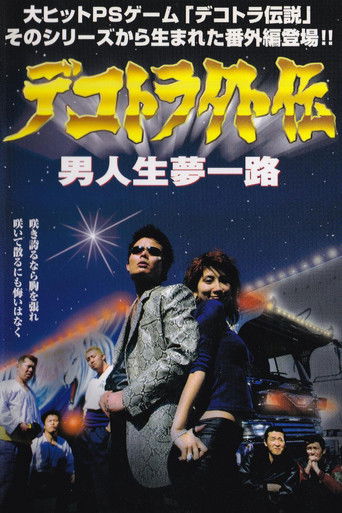
A Man’s Life
My Loving Daughter
My Loving Daughter
The Imperial Grace
The Imperial Grace
The Cuckoo – New Version
The Cuckoo – New Version

Money/Gold
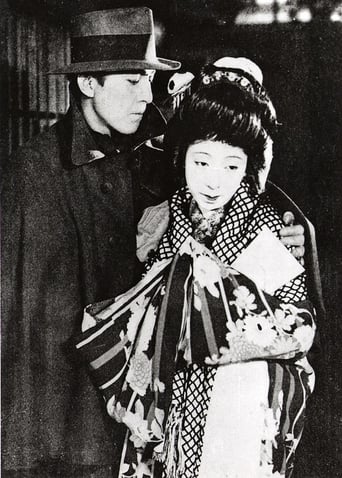
A Paper Doll’s Whisper of Spring
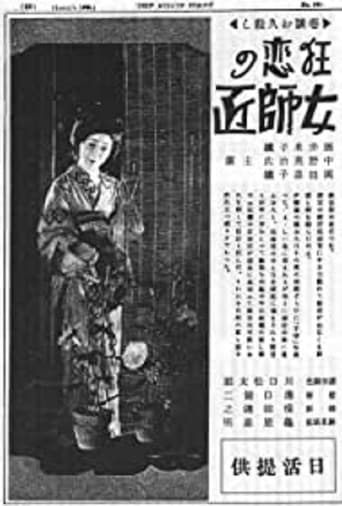
Passion of a Woman Teacher
The Copper Coin King
The Copper Coin King
The Boy From the Sea
The Boy From the Sea
It’s My Fault – New Version
It’s My Fault – New Version
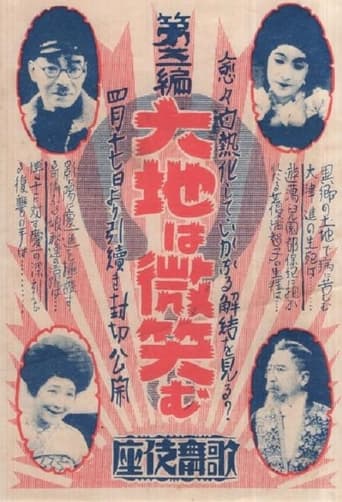
The Earth Smiles
Out of College
The Human Being
General Nogi and Kuma-San
General Nogi and Kuma-San
The White Lily Laments
The White Lily Laments
Song of Home
Song of Home
Under the Crimson Sunset
Under the Crimson Sunset
No Money, No Fight
No Money, No Fight
A Sketch on the Road / Street Scenes
A Sketch on the Road / Street Scenes
Death at Dawn
Woman of Pleasure
Strong is the Female
Strong is the Female
Queen of Modern Times
Queen of Modern Times
Chronicle of the Rainy Season
Chronicle of the Rainy Season
Turkeys in a Row / The Trace of a Turkey (Shichimencho no Yukue
Turkeys in a Row / The Trace of a Turkey (Shichimencho no Yukue
The Sad Idiot
The Sad Idiot
Queen of the Circus
Queen of the Circus
Song of the Mountain Pass
Song of the Mountain Pass
This Dusty World
This Dusty World

In the Ruins
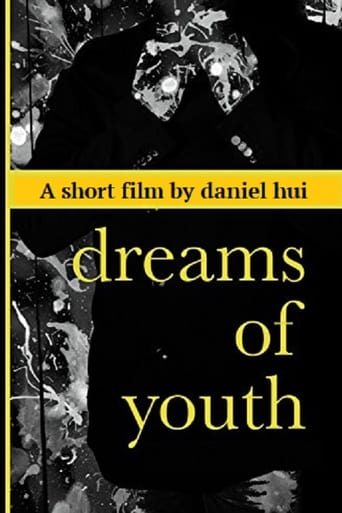
Dreams of Youth
Hometown
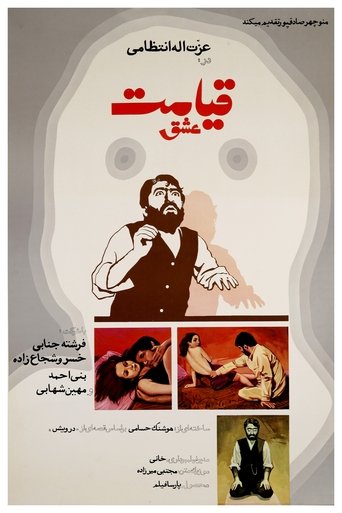
Resurrection of Love
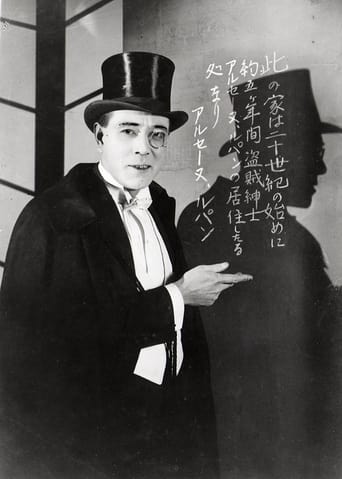
813
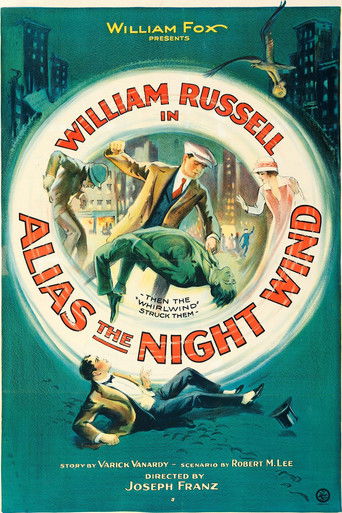
The Night
Song of Failure
Song of Failure
Blood and Soul
Blood and Soul
Foggy Harbour
Foggy Harbour
Harbour of Desire
Harbour of Desire