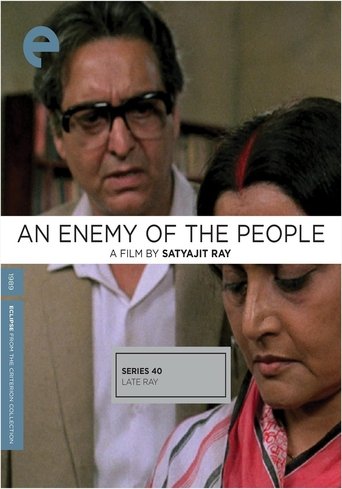
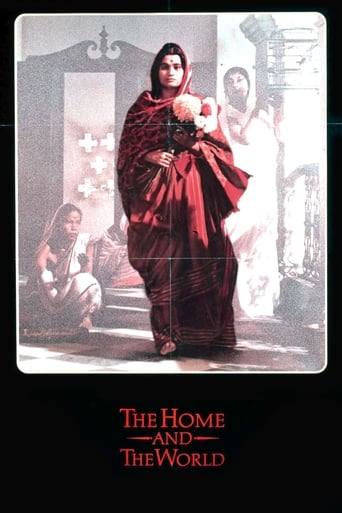
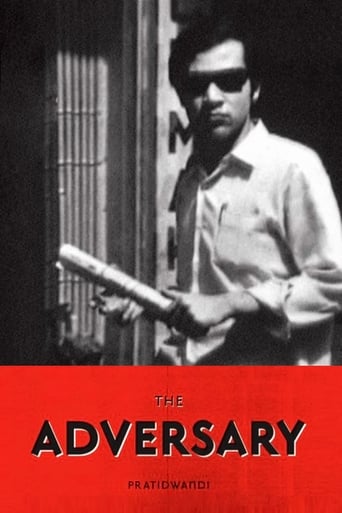
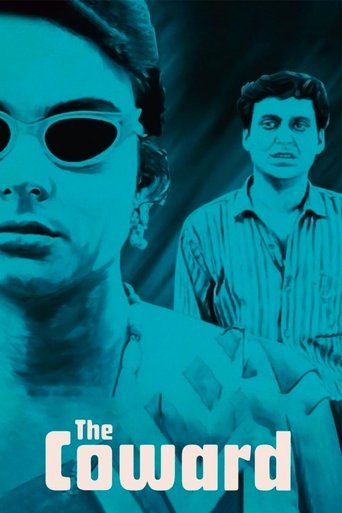
Satyajit Ray
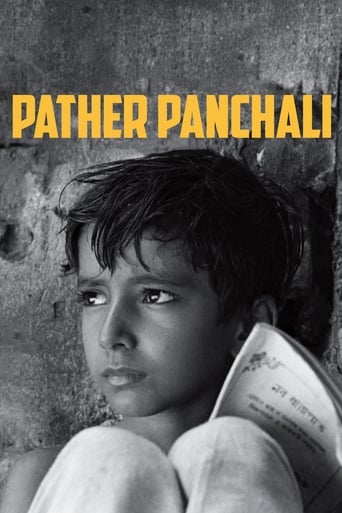
Pather Panchali, shot on weekends with borrowed money, opened the Apu Trilogy and carried Bengali village life to screens worldwide. Ray wrote, scored and designed his own films, watching ordinary lives with endless attention.

Start here
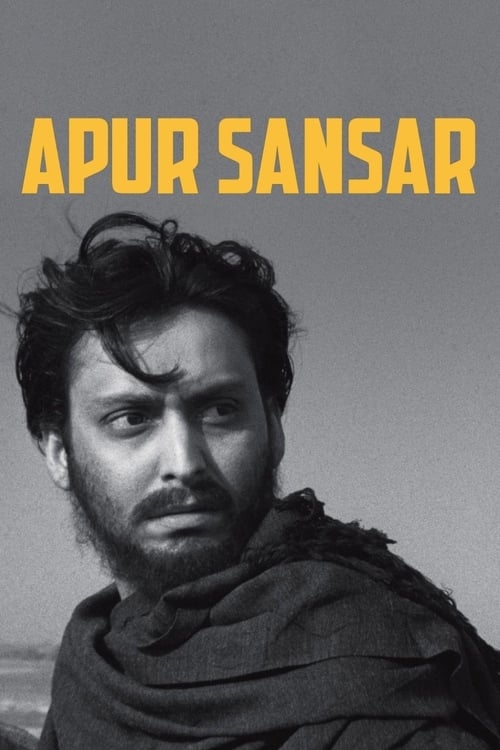
The World of Apu
Apu, now a jobless ex-student dreaming vaguely of a future as a writer, is invited to join an old college friend on a trip up-country to a village wedding.
Defining films



Keep following

Both render the interior lives of rural and provincial characters with archaeological patience, cinema as slow excavation of human dignity.

Shared obsession with class, observation, and the moral weight of everyday decisions, the personal as political without declaration.

Post-colonial cinema anchored in social realism and ensemble depth, both shaped by nations resisting Western narrative formulas.

Masters of duration and spatial meditation, their films trust silence more than dialogue, allowing landscape and time to become characters.