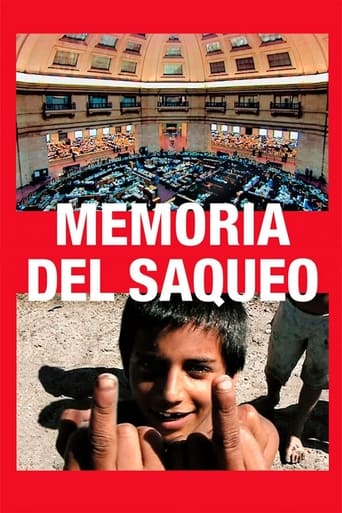
Argentine New Wave
Lucrecia Martel's domestic spaces thick with class and colonial memory. Pablo Trapero's social realism. A cinema of surfaces — the heat, the bodies, the unsaid — that makes visible what Argentine society prefers to ignore.
The cinema of Argentina has historically been among the most developed in Latin America and one of the most recognized and influential in the Spanish-speaking world. What is known as Argentine cinema is often equated to the cinema of Buenos Aires, as the city and its metropolitan area have historically concentrated the majority of film production, although in every era there have been more or less isolated cinematic experiences outside the capital. Throughout the 20th century, film production in Argentina, supported by the State and by the work of a long list of directors and actors, became one of the major film industries in the Spanish-speaking world. The Golden Age of Argentine cinema took place between the 1930s and 1950s.