Iranian New Wave
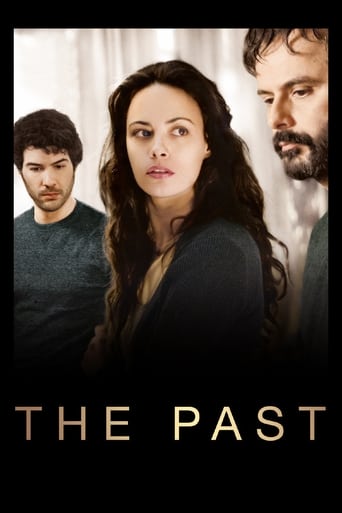
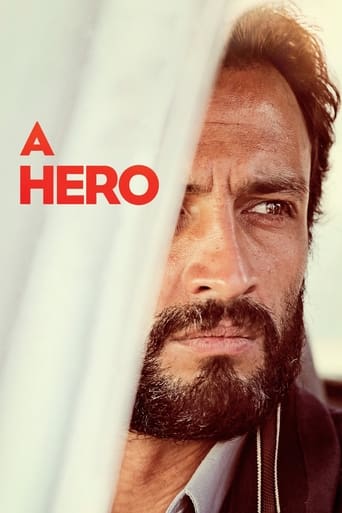
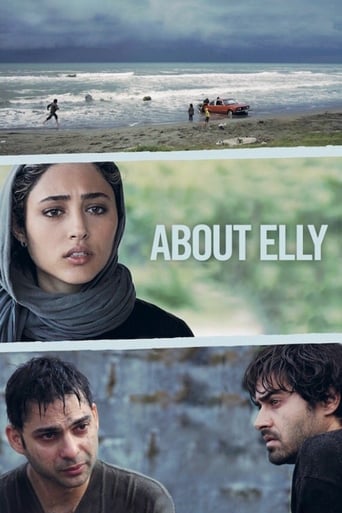
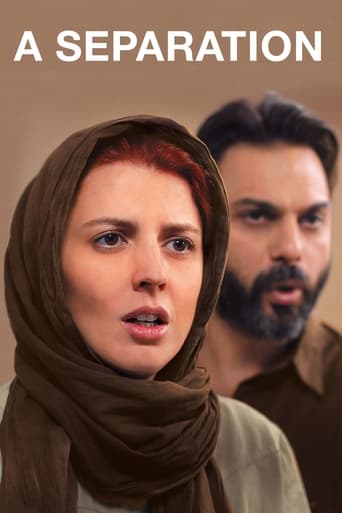
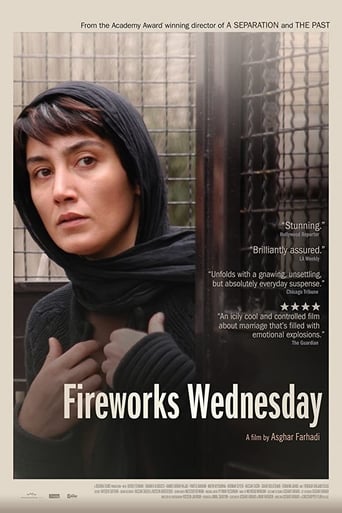
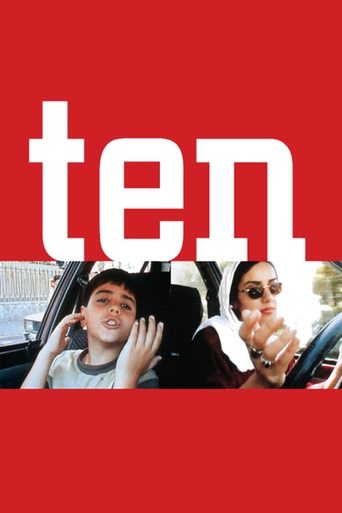
Long takes and meditative stillness. Children navigating moral complexity adults have made. Films that look simple and contain multitudes. Kiarostami, Panahi, and Farhadi working under constraint, making constraint the subject.
Iranian New Wave refers to a movement in Iranian cinema. It started in 1964 with Hajir Darioush's second film Serpent's Skin, which was based on D.H. Lawrence's Lady Chatterley's Lover and featured Fakhri Khorvash and Jamshid Mashayekhi. Darioush's two important early social documentaries But Problems Arose in 1965, dealing with the cultural alienation of the Iranian youth, and Face 75, a critical look at the westernization of the rural culture, which was a prizewinner at the 1965 Berlin Film Festival, also contributed significantly to the establishment of the New Wave. In 1968, after the release of Shohare Ahoo Khanoom directed by Davoud Mollapour, The Cow directed by Dariush Mehrjui followed by Masoud Kimiai's Qeysar in 1969, Nasser Taqvai's Tranquility in the Presence of Others, and immediately followed by Bahram Beyzai's Downpour, the New Wave became well established as a prominent cultural, dynamic and intellectual trend. The Iranian viewer became discriminating, encouraging the new trend to prosper and develop.