Christopher Nolan
From Memento's backwards murder story to Oppenheimer, Nolan builds blockbusters around structural experiments Hollywood usually keeps in the margins. Time is his real subject: cut up, reversed, dilated, and finally felt.

Start here
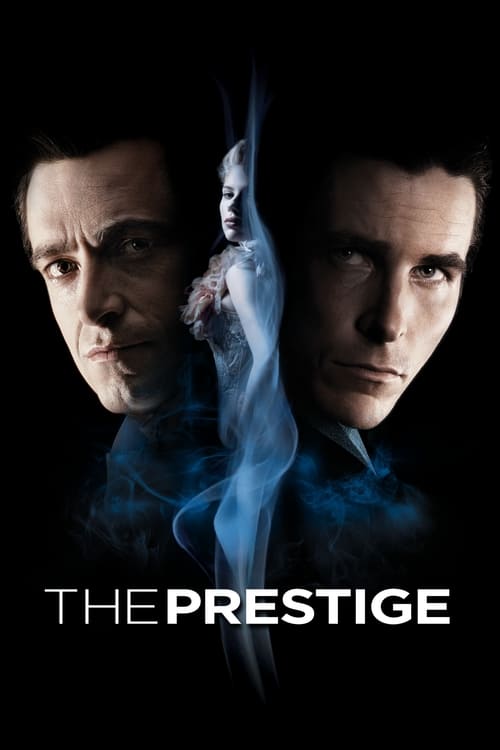
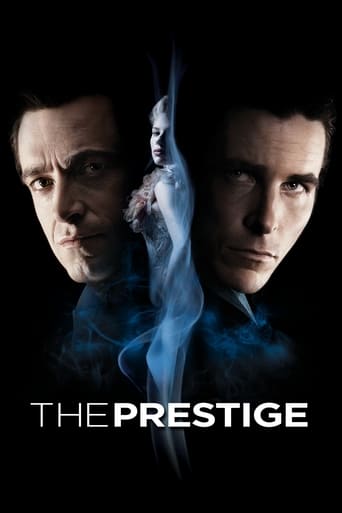
The Prestige
A mysterious story of two magicians whose intense rivalry leads them on a life-long battle for supremacy -- full of obsession, deceit and jealousy with dangerous and deadly consequences.
Defining films
Keep following
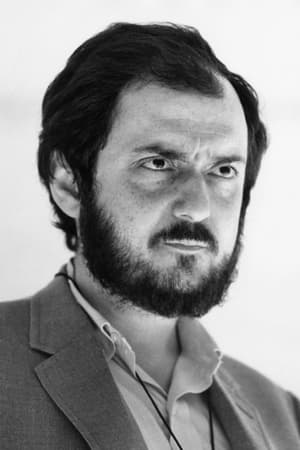
Both construct elaborate formal systems to explore paranoia and control, men trapped in architectures of their own design, obsession as visual spectacle.

The British master of suspense reborn through puzzle-box narratives, both weaponize structure itself, making plot twists feel inevitable and devastating.
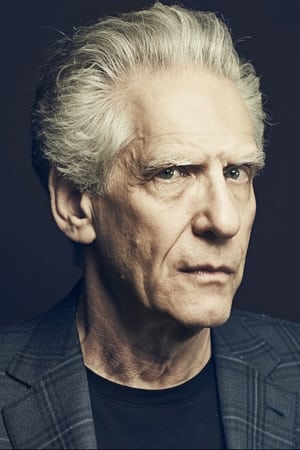
Both explore identity as malleable, corporeal, bodies and minds fractured across timelines, technology as violation of self.
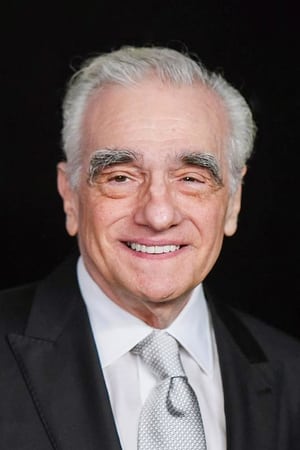
Blockbuster auteurs who refuse simplification, Warner Bros. backing their maximalist visions, muscular storytelling that rewards repeated viewing.
In their own words
Nolan re-watched F.W. Murnau's 'Sunrise: A Song of Two Humans' to understand how to 'strip the dialogue out of the script for long stretches of time' and tell the story purely through a 'visual language of suspense.'
Nolan re-watched Murnau's 'Sunrise' to understand how to strip dialogue out of the script for long stretches and tell the story purely through a visual language of suspense.
Nolan re-watched Murnau's 'Sunrise' to understand how to 'strip the dialogue out of the script for long stretches of time' and tell the story purely through a 'visual language of suspense.'
'Metropolis' (1927) is the great example of that, where you have a city as a character, and the city as a symbol of modernity, and all the possibilities and all the dangers of that.