Discover great cinema and the connections that made it possible.
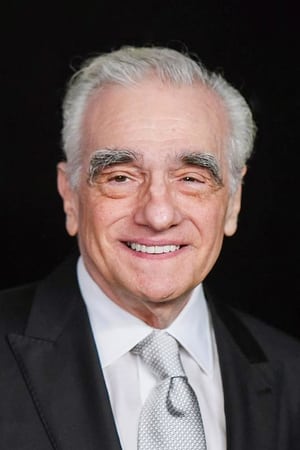
Director
Martin Scorsese
Defining Films
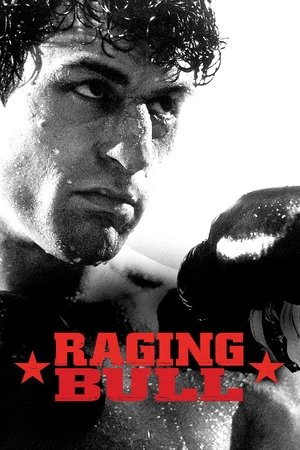
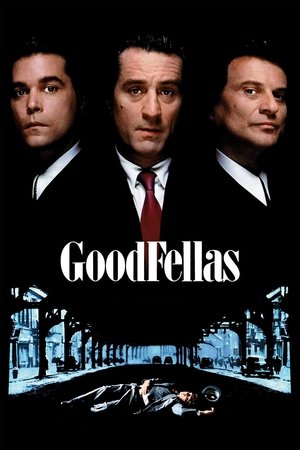
Profile
The great poet of American guilt. His men are always falling — from grace, from power, from themselves. His camera moves like jazz, his editing cuts like a knife through everything sacred.
In Their Own Words
The whole idea of a film being alive, on the streets, no sets, capturing the moment – that was the dream for Mean Streets. Italian Neo-Realism and the French New Wave, especially Godard's Breathless, were really important influences.
On Mean Streets · Empire Magazine interview
Filmography (52)
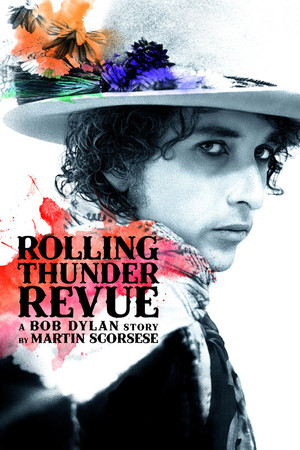
Rolling Thunder Revue: A Bob Dylan Story by Martin Scorsese
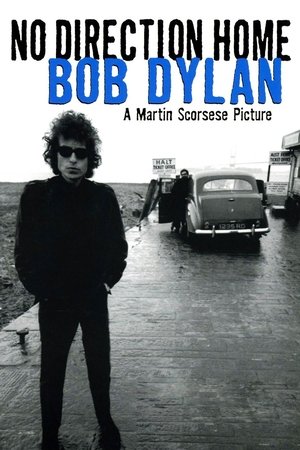
No Direction Home: Bob Dylan
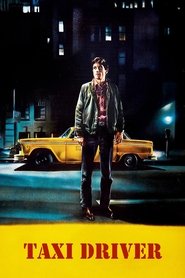
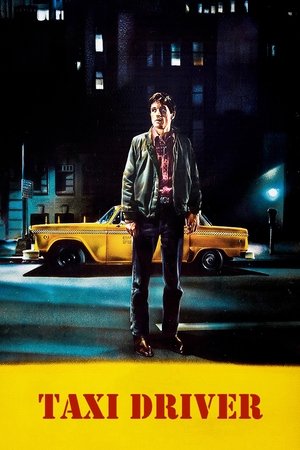
Taxi Driver
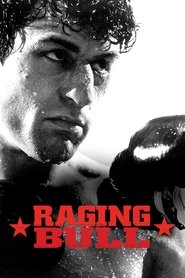
Raging Bull
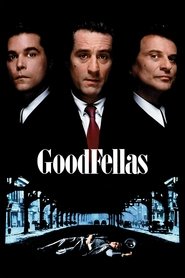
GoodFellas
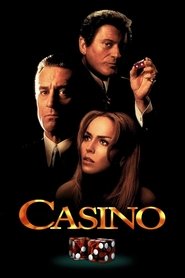
Casino
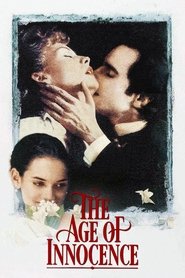
The Age of Innocence
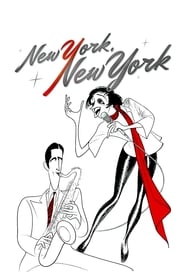
New York, New York
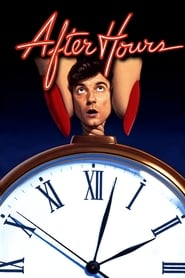
After Hours
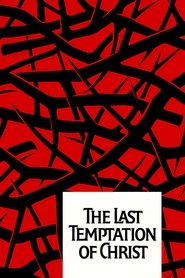
The Last Temptation of Christ
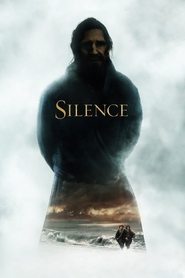
Silence
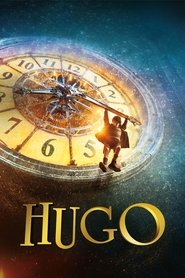
Hugo

The Departed
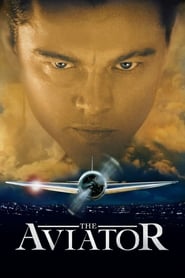
The Aviator
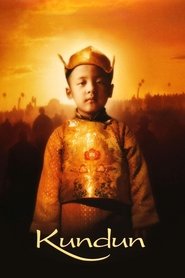
Kundun
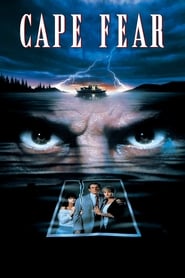
Cape Fear
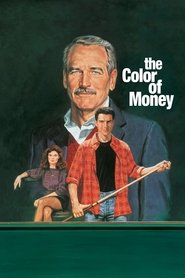
The Color of Money
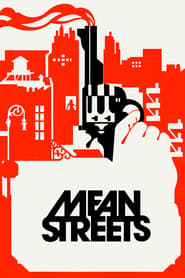
Mean Streets

The King of Comedy
Roosevelt
Roosevelt
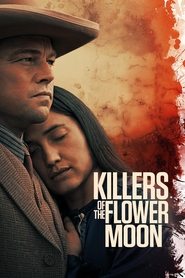
Killers of the Flower Moon
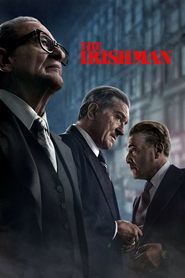
The Irishman
Untitled Martin Scorsese/Sharon Stone Project
Untitled Martin Scorsese/Sharon Stone Project
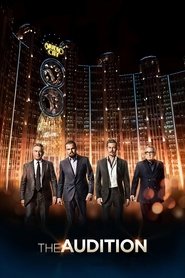
The Audition
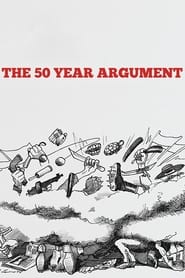
The 50 Year Argument

Wolf of Wall Street
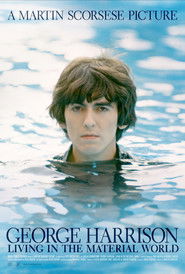
George Harrison: Living in the Material World

Shutter Island
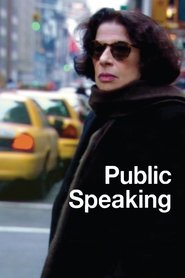
Public Speaking
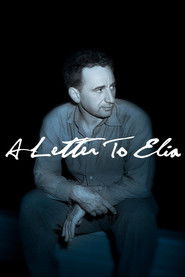
A Letter to Elia
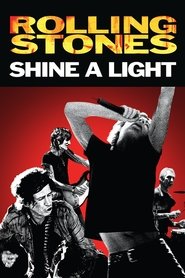
Shine a Light
The Key to Reserva
The Key to Reserva
American Masters
American Masters
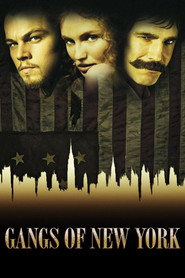
Gangs of New York
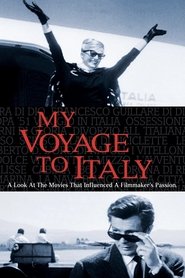
My Voyage to Italy
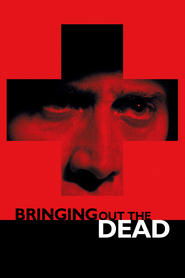
Bringing Out the Dead
doc) (with Michael Henry Wilson
doc) (with Michael Henry Wilson
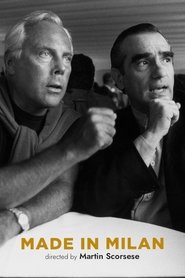
Made in Milan
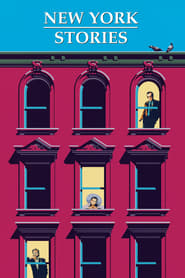
New York Stories: Life Lessons
Somewhere Down the Crazy River
Somewhere Down the Crazy River
Bad
Mirror, Mirror
American Boy: A Profile of Steven Prince
The Last Waltz
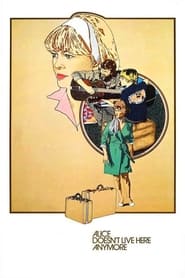
Alice Doesn’t Live Here Anymore
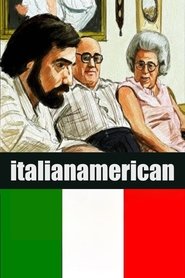
Italianamerican
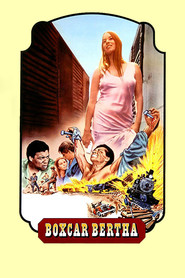
Boxcar Bertha
Street Scenes
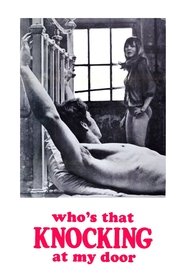
Who’s That Knocking at My Door?
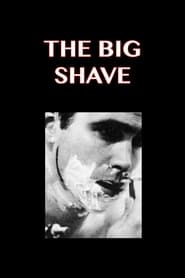
The Big Shave
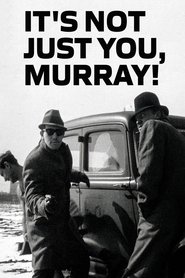
It’s Not Just You, Murray
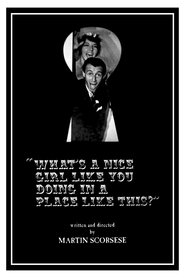
What’s a Nice Girl Like You Doing in a Place Like This?