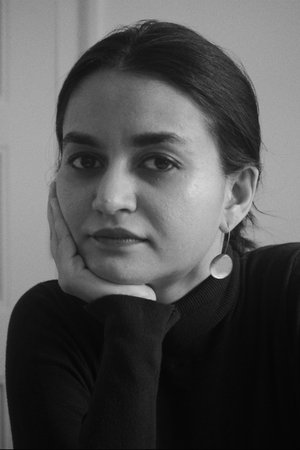
Payal Kapadia
All We Imagine as Light follows two Mumbai nurses through monsoon-lit nights and won the Grand Prix at Cannes. Kapadia works between documentary and fiction, alert to the small solidarities that make city life survivable.
Start here
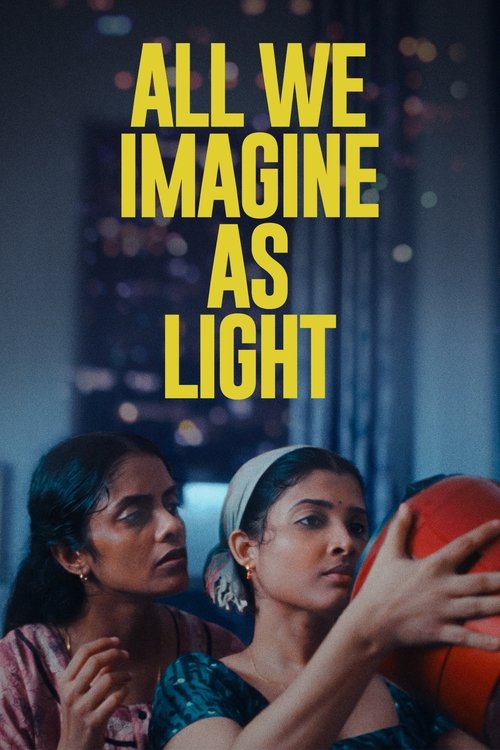
All We Imagine as Light
In Mumbai, Nurse Prabha's routine is troubled when she receives an unexpected gift from her estranged husband. Her younger roommate, Anu, tries in vain to find a spot in the city to be intimate with her boyfriend.


Defining films

Keep following
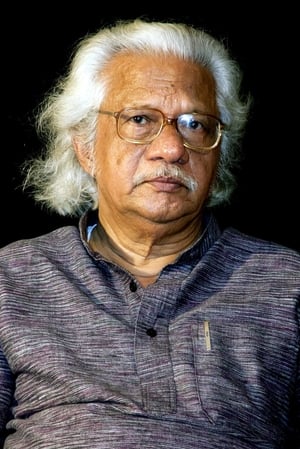
Both emerge from Indian art cinema's commitment to social realism and formal restraint, cinema as social conscience without sentimentality.
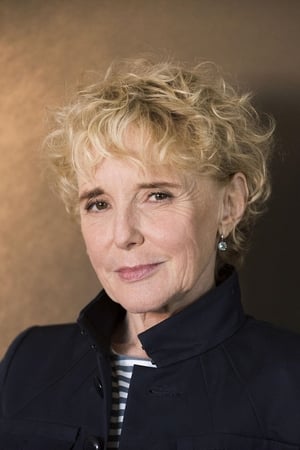
Both capture the invisible architecture of power, hierarchies inscribed in gesture, costume, and proximity. Unflinching observation of how people navigate unequal spaces.

Both document how modernization reshapes human relationships; long takes that let social contradiction unfold naturally, without didacticism.

Shared obsession with class as lived experience, how inequality structures domestic space, family, and the body itself. Cinema as social anatomy.