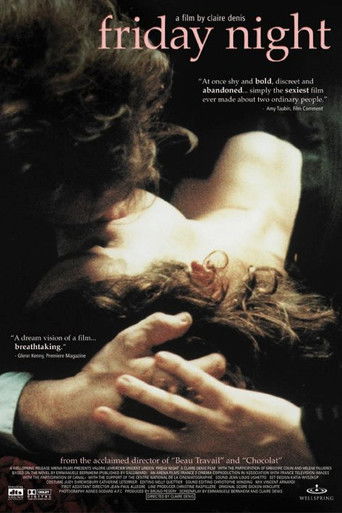
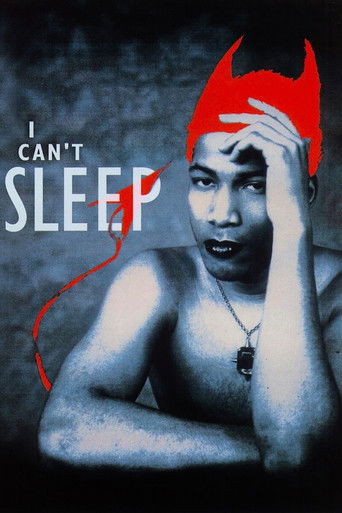
Claire Denis
Beau travail turns a Foreign Legion outpost into ballet and saves its last dance for the closing credits. Denis builds films from skin, rhythm and colonial aftershock, trusting the body to say what dialogue cannot.

Start here

Beau travail
Foreign Legion officer Galoup recalls his once glorious life, training troops in the Gulf of Djibouti. His existence there was happy, strict and regimented, until the arrival of a promising young recruit, Sentain, plants the seeds of jealousy in Galoup's mind.


Defining films

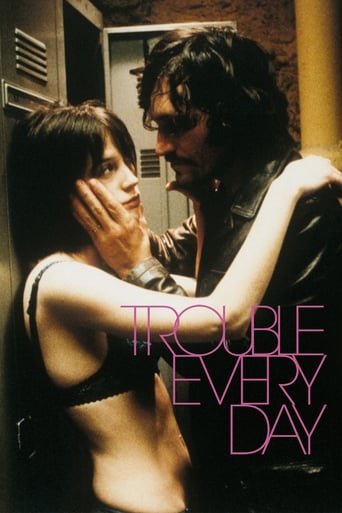



Keep following
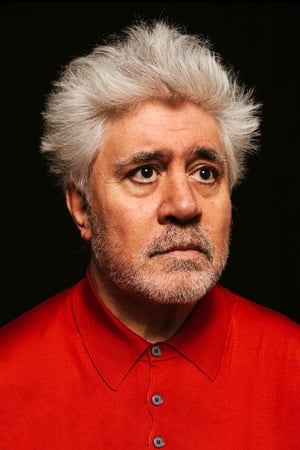
Both explore the body as a site of desire and memory, with silences that carry more weight than any dialogue.

Shared obsession with the erotic potential of long takes and minimal movement, desire expressed through duration rather than action.

Both interrogate colonial legacies through intimate cinema, ghosts of history haunt bodies and landscapes in the present.

Spiritual heir to Denis's investigation of blackness, exile, and memory in European cinema, continuing the language of diaspora she helped forge.
In their own words
It's like in Rashomon by Kurosawa. It's not about finding the truth, but about understanding that the truth is always subjective.