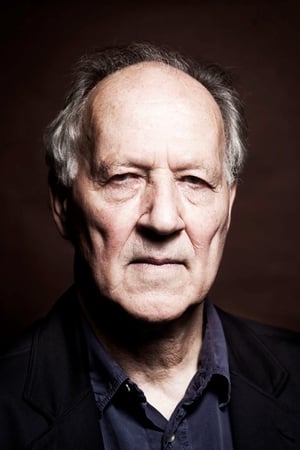
Werner Herzog
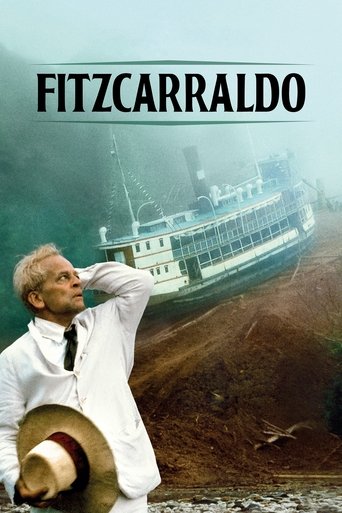
He hauled a steamship over a Peruvian mountain for Fitzcarraldo and narrates his documentaries like a prophet. In fiction and fact alike, Herzog's subject is obsession pushed past the point where sense gives out.
Start here
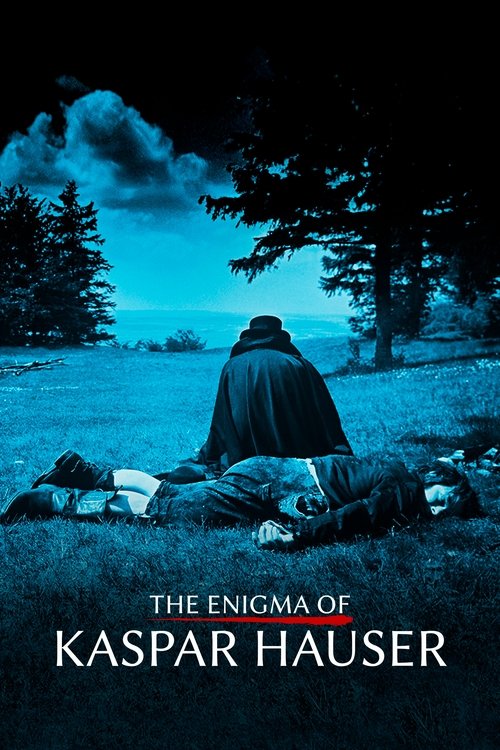
Jeder für sich und Gott gegen alle (The Enigma of Kaspar Hauser)
The film follows Kaspar Hauser, who lived the first seventeen years of his life chained in a tiny cellar with only a toy horse to occupy his time, devoid of all human contact except for a man who wears a black overcoat and top hat who feeds him.
Defining films


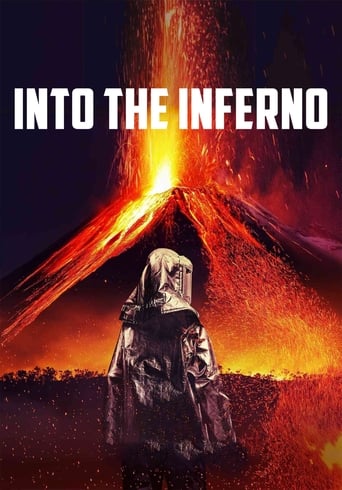
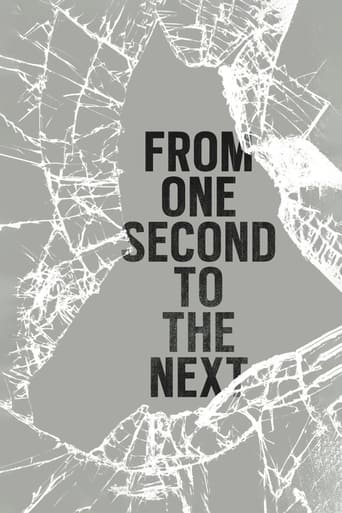

Keep following
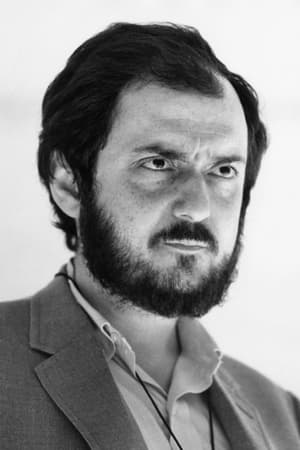
Both pursue absolute control and artistic perfectionism as acts of will against chaos, cinema as conquest of the irrational.

Shared obsession with extreme landscapes as characters themselves, nature as metaphor for human transcendence and suffering.

Both blur documentary and fiction into visionary territory, cinema as spiritual investigation rather than narrative comfort.
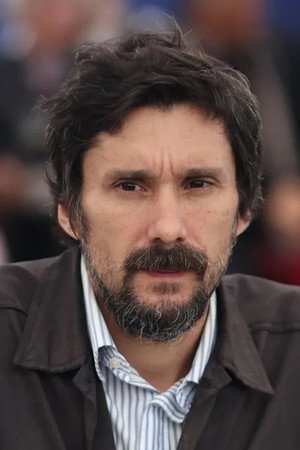
Austere, uncompromising explorers of remote spaces and human endurance, patience as a form of truth-telling.
In their own words
He was constructing ecstatic truth.
Werner Herzog was a guy that knew what he was doing, and his films were so much about his own obsessions. I had just watched My Best Fiend and Burden of Dreams, and I felt like I needed to go meet him and get some advice about making movies.
He's always taking risks, pushing boundaries, and has this wonderful way of capturing moments in such a unique way. Stroszek has certainly informed my way of making films, and how I often work with non-actors and integrate improvisational elements into my shoots.
He constructed an igloo for Nanook without a roof so the camera could peer in. He was constructing ecstatic truth.
Films by decade