UNITED STATES · 1968
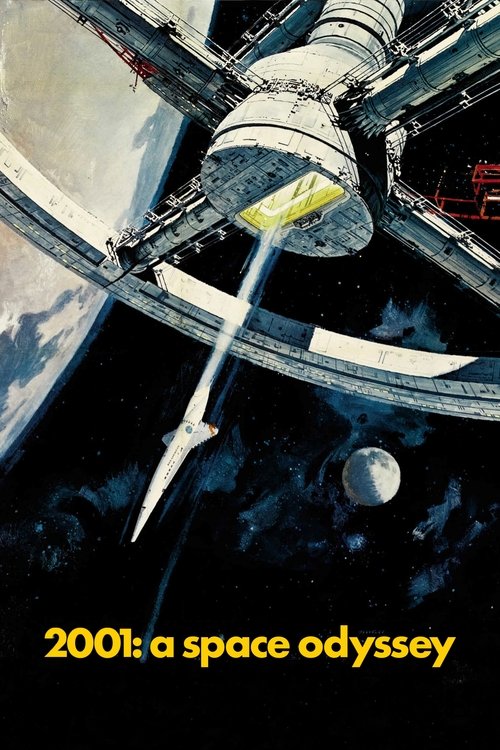
2001: A Space Odyssey
British Cinema
artificial intelligence
human evolution
existentialism
the search for extraterrestrial life
man versus machine
Synopsis
Humanity finds a mysterious object buried beneath the lunar surface and sets off to find its origins with the help of HAL 9000, the world's most advanced super computer.
Films with Similar Energy
Cinematic threads
2001: A Space Odyssey
2 films it influenced
See all 2 →
More from Stanley Kubrick
United States


Films with Similar Themes
artificial intelligence · human evolution · existentialism · the search for extraterrestrial life · man versus machine






More from United States
Cinema of United States

More Films with Similar Energy
Deeper matches by cinematic fingerprint