← Back to Cinema Atlas
Discover great cinema and the connections that made it possible.
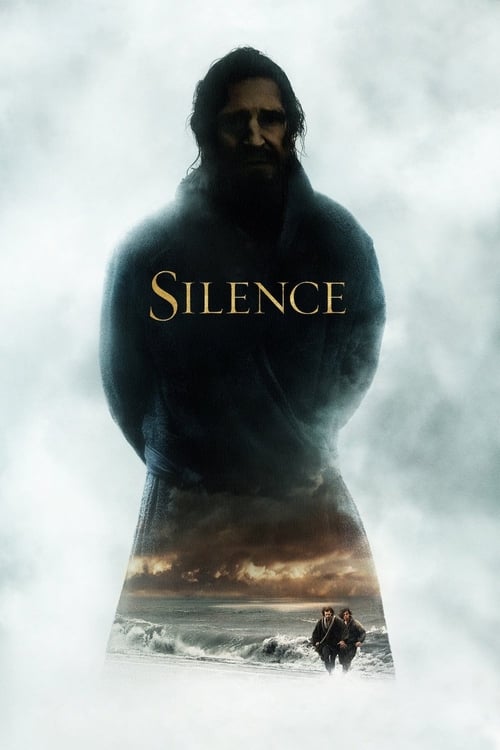
Silence
UNITED STATES · 2016

Silence

Martin Scorsese
sister sister relationship sibling relationship travel hotel anxious
Watch on MUBI → ▶ Trailer

Synopsis

Two Jesuit priests encounter persecution when they travel to Japan in the 17th century to spread Christianity and search for their mentor.

Cinema Atlas Connection
Scorsese has explicitly cited Parajanov's Shadows of Forgotten Ancestors as a blueprint for how to photograph spiritual and historical subjects. Not through narrative clarity but through color, texture, the ornamental weight of image itself. In Silence, Scorsese abandons his usual kinetic grammar and enters Parajanov's register: the frame becomes icon, color becomes meaning, and the suffering of faith is rendered not through dialogue but through the flatness and richness of visual information. Parajanov taught that cinema could approach the sacred not by explaining it but by creating a visual texture so dense it becomes incantatory. Scorsese's Silence is his most Parajanovian work—a film where the absence of faith is photographed with the same visual reverence Parajanov brings to presence.

He's influenced me in many ways, but in terms of the spiritual aspect, it's not really Diary of a Country Priest. It's more Au Hasard Balthazar in a way.

— Martin Scorsese  ·  Film Comment
Explore the full connection → See all connections for Silence →

More from Martin Scorsese

United States · New Hollywood
Hugo
2011 • United States
View →
The Departed
2006 • United States
View →
The Aviator
2004 • United States
View →