Discover great cinema and the connections that made it possible.
Film Movement
1969–1985
Indian Parallel Cinema
South Asian Cinema
Against Bollywood spectacle: Shyam Benegal, Govind Nihalani, and Mrinal Sen making films about caste, gender, and rural poverty with documentary intensity. Government-funded, formally radical, now recognized as India's richest film tradition.
Parallel cinema, or New Indian Cinema, is a film movement in Indian cinema that originated in the state of West Bengal in the 1950s as an alternative to the mainstream commercial Indian cinema.
Source: Wikipedia
Key Directors
The anatomist of silence and social fracture. His films move with the patience of ritual, revealing how caste, class, and desire corrode the spaces between people. Cinema as moral reckoning — Malayalam cinema's conscience.
The humanist with a restless eye — she moves between continents and genres as though borders were mere suggestions. Her films hold tenderness and corruption in the same frame, always refusing easy answers about desire, identity, and the violence of circumstance.
The humanist who made cinema from observation and restraint. His films move at the pace of life itself — no shortcuts, no sentiment, only the weight of existence pressing down on ordinary people. He taught the world that the greatest dramas unfold in silence, in glances, in the space between words.
A portrait of Guru Dutt. Courtesy of National Film Archive of India, Pune.
Defining Films
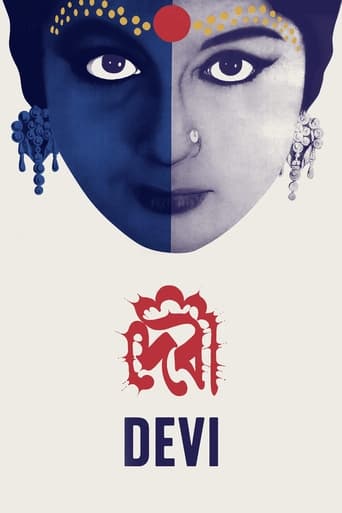


Related Movements in South Asian Cinema