Italian Neorealism
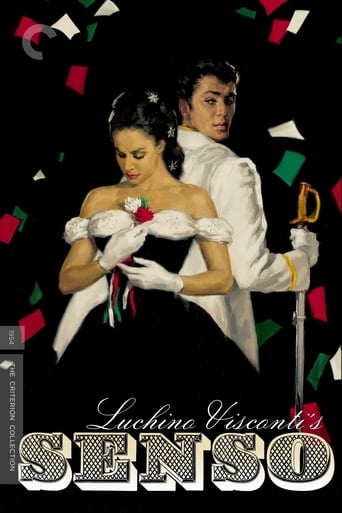
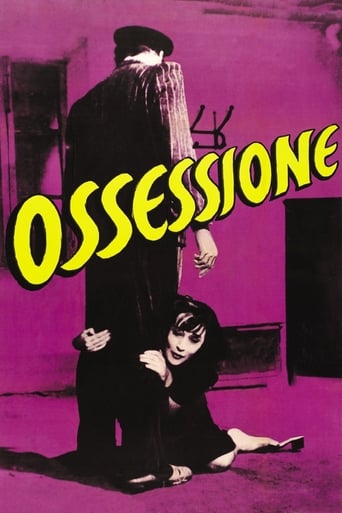
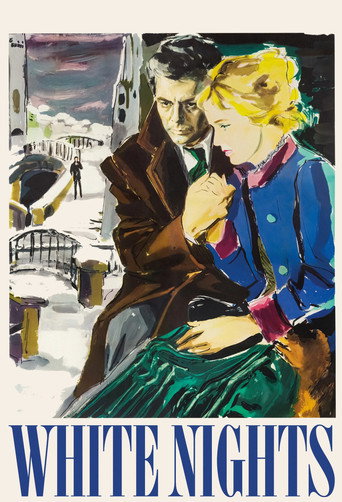
The war destroyed the studios, so they filmed in the rubble with non-professional actors. Real locations, real poverty, real faces. The plainness of the image was itself a moral stance. De Sica, Rossellini, Visconti.
Italian neorealism, also known as the Golden Age of Italian Cinema, was a national film movement characterized by stories set amongst the poor and the working class. They are filmed on location, frequently with non-professional actors. They primarily address the difficult economic and moral conditions of post-World War II Italy, representing changes in the Italian psyche and conditions of everyday life, including poverty, oppression, injustice and desperation. Italian Neorealist filmmakers used their films to tell stories that explored the contemporary daily life and struggles of Italians in the post-war period. Italian neorealist films have become explanatory discourse for future generations to understand the history of Italy during a specific period through the storytelling of social life in the context, reflecting the documentary and communicative nature of the film. Some people believe that neorealistic films evolved from Soviet montage films. But in reality, compared to Soviet filmmakers describing the people's opposition to class struggle through their films, neorealist films aim to showcase individuals' resistance to reality in a social environment.