Mexican Contemporary
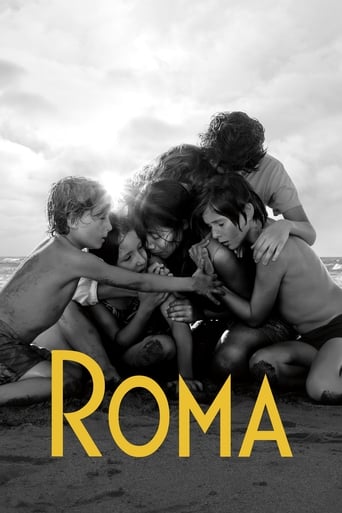
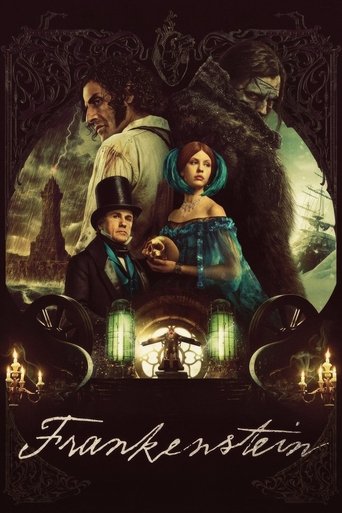
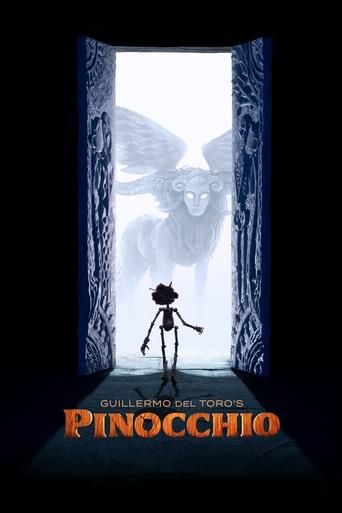
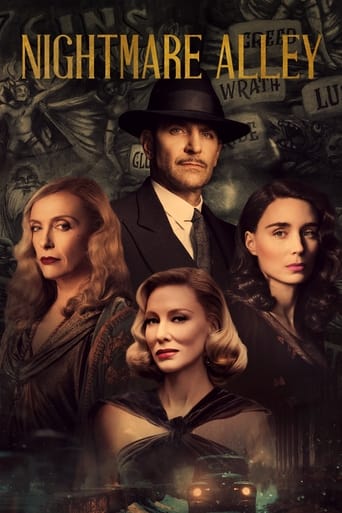
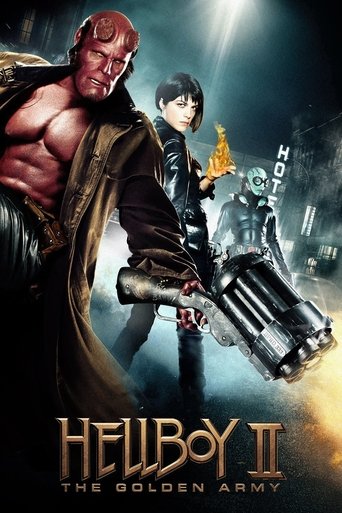
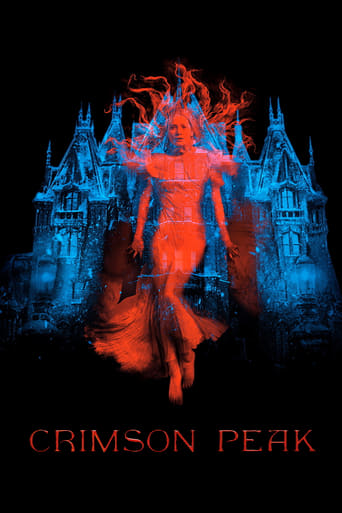
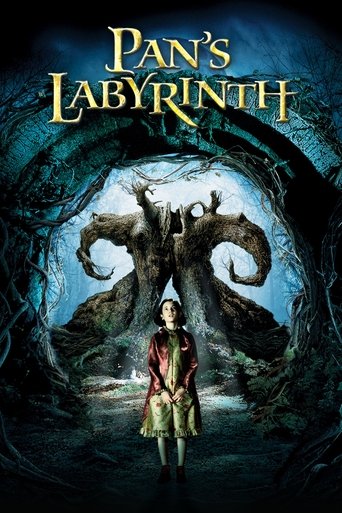
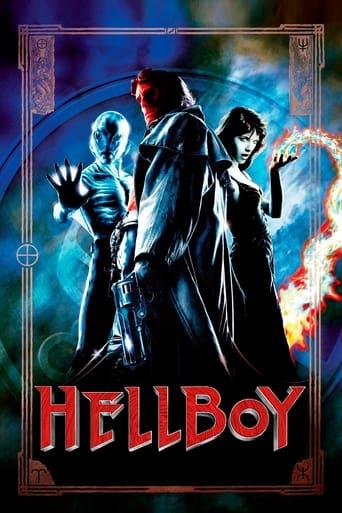
Del Toro's genre mythology, Cuarón's formal ambition, González Iñárritu's long-take intensity. Three directors who left Mexico and transformed global cinema while staying preoccupied with the country they came from.
The cinema of Mexico dates to the late nineteenth century during the rule of President Porfirio Díaz. Seeing a multitude of short films in 1896, Díaz immediately saw the importance of documenting his presidency in order to present an ideal image of it. Movies soon became a part of public life during Porfirio Díaz's administration, serving as both a form of entertainment and a way to record political events. Recognizing cinema as a sign of technological advancement, Díaz permitted filmmakers to capture presidential visits, military parades, and official festivities. The president was often shown in these early recordings attending public festivities or welcoming foreign guests, which strengthened the perception of the late Porfiriato as a stable and advanced country. With the outbreak of the Mexican Revolution in 1910, Mexican and foreign makers of silent films seized the opportunity to document its leaders and events. From 1915 onward, Mexican cinema focused on narrative film.