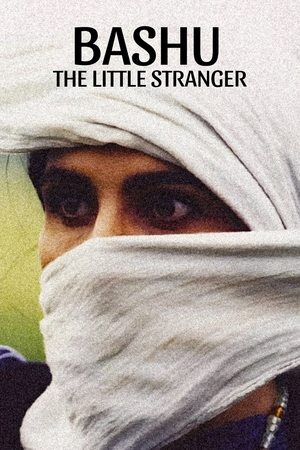
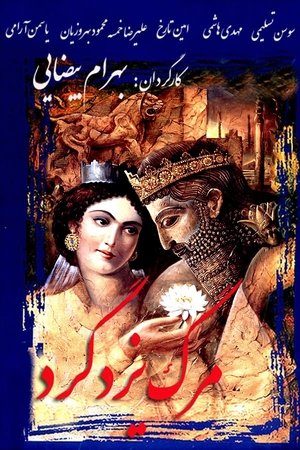
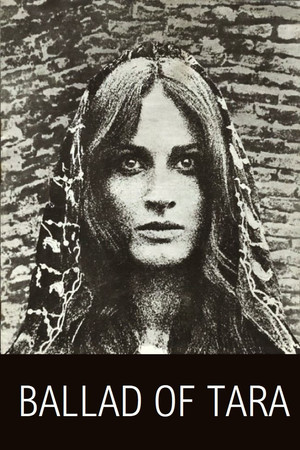
Playwright, scholar and filmmaker, Beyzai carried Persian myth and theatrical form into modern Iranian cinema. Bashu, the Little Stranger follows a war orphan taken in by a village woman in the north, and found an audience far beyond Iran.
During the Iran-Iraq War, Bashu, a young boy loses his house and all his family. Scared, he sneaks into a truck that is leaving the area.
Twin architects of post-revolutionary Iranian cinema, both obsessed with cinema as a form of testimony against erasure, both rebels against state control.
Both use color, ritual, and fragmented narrative to preserve forbidden histories, cinema as resistance through beauty rather than declaration.
Both filmmakers treat cinema as a space where ghosts and histories coexist with the living, time is layered, not linear.
Contemporary Iranian auteurs wrestling with moral ambiguity and social constraint, Beyzai's mythic approach contrasts with Farhadi's domestic realism, yet both resist simple answers.