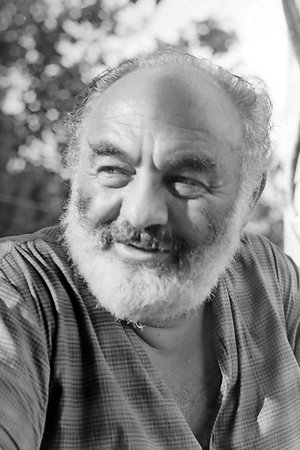
Sergei Parajanov
The Color of Pomegranates arranges poets, dyes and icons into living tableaux; the Soviet state answered with prison. Parajanov made cinema from Armenian, Georgian and Ukrainian folk art, and paid for every frame.
Start here
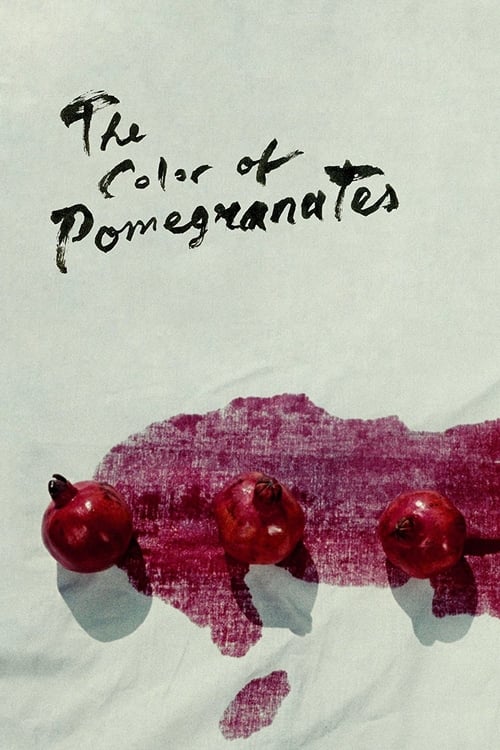
The Color of Pomegranates
The life of the revered 18th-century Armenian poet and musician Sayat-Nova. Portraying events in the life of the artist from childhood up to his death, the movie addresses in particular his relationships with women, including his muse.


Defining films


Keep following

Twin visionaries of Soviet cinema who rejected socialist realism for spiritual and aesthetic transcendence, both paid the price of dissent.

Both paint desire, ecstasy, and human suffering in saturated color, cinema as baroque excess, as resistance against gray conformity.

Masters of color as narrative, both use jewel tones and visual intoxication to express longing, loss, and the body's luminous presence.

Both compose flesh and landscape as sacred geometry, cinema as ritual, as visual prayer, as rebellion against narrative convention.