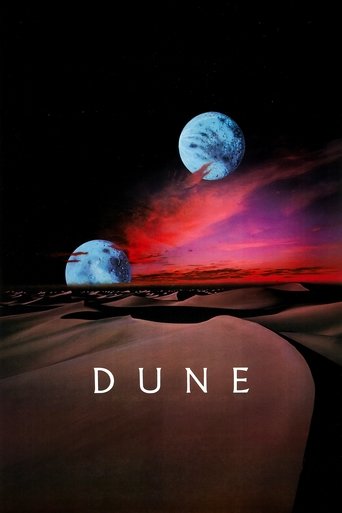
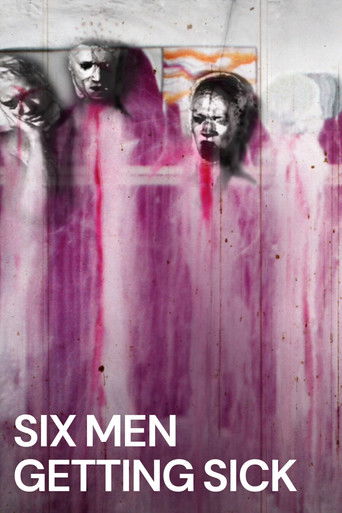
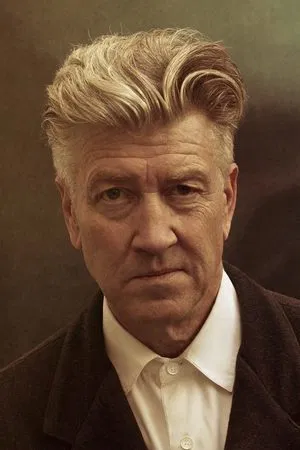
David Lynch
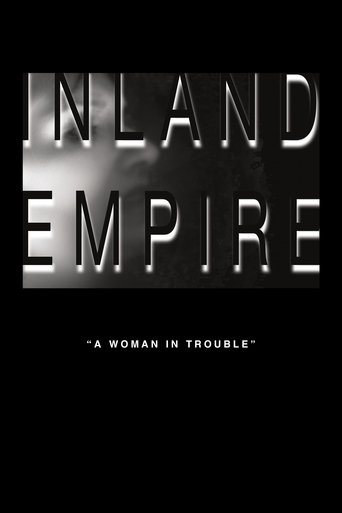
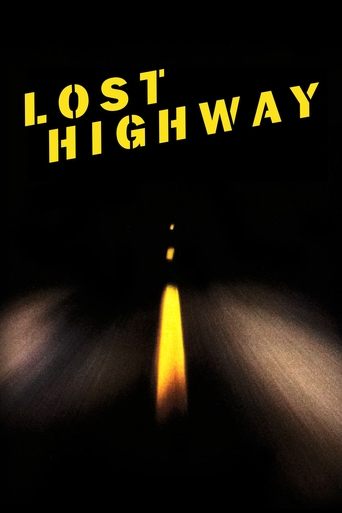
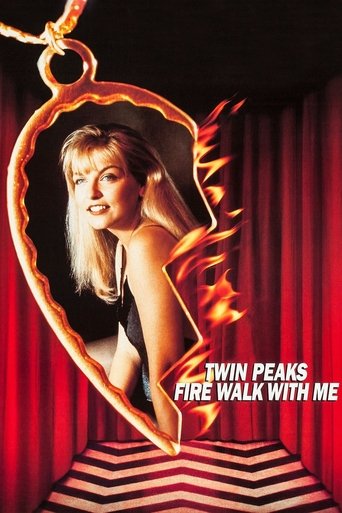
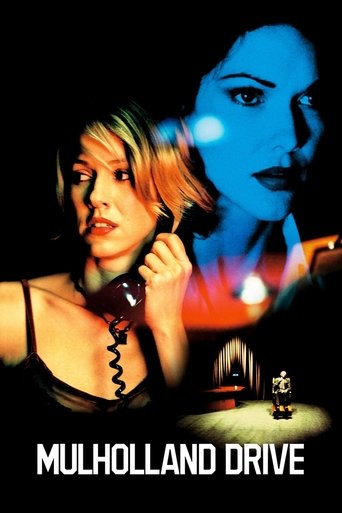
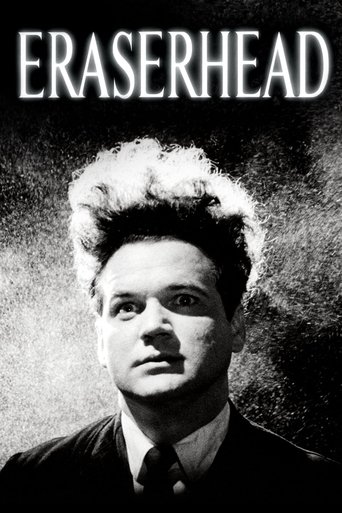
Eraserhead, Blue Velvet and Mulholland Drive open a trapdoor under the American everyday. Lynch worked from mood and image the way other directors work from script, and the results feel dreamed rather than made.
Start here
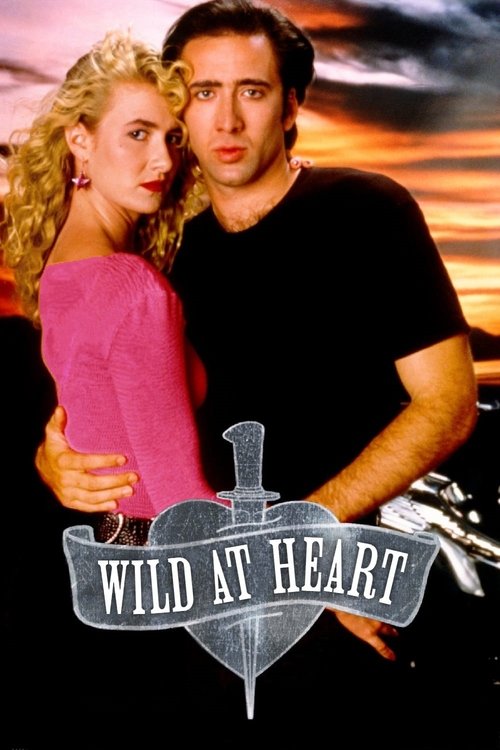
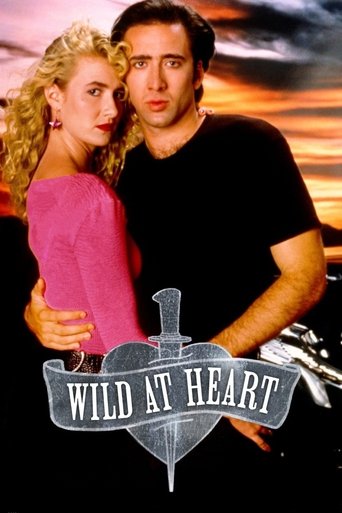
Wild At Heart
Young lovers Sailor and Lula hit the road to start a new life together away from the wrath of Lula’s deranged, disapproving mother, who has hired a team of hitmen to cut the lovers’ surreal honeymoon short.
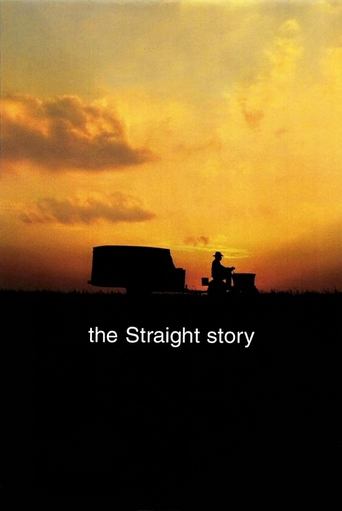
Defining films



Keep following
Both architects of controlled nightmare, cinema as architecture of dread, where surfaces conceal abyssal depths beneath the mundane.

Twin obsessives with the body as betrayer and the mind as unreliable narrator, horror emerging from the flesh itself, from desire corrupted.

Both suspend narrative time in favor of texture and mood, cinema as trance state where alienation becomes palpable, where watching becomes an act of endurance.
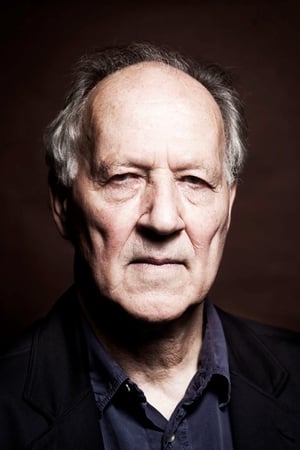
Contemporaneous visionaries who reject the rational, both obsessed with ecstasy, madness, and the sublime lurking at the edges of civilization.
In their own words
The way David Lynch plays with dreams, with identity, with transformation… it's something that really resonates with me and influences the way I think about cinema.
Lynch is a big inspiration for the surreal and dreamlike atmospheres he creates, especially in Mulholland Drive, which has always informed my approach to atmosphere and mood in my own films.
It taught me that you don't need to explain anything, just create a mood and an experience.
Lynch is a master of creating atmosphere, and Blue Velvet is one of his best examples of showing the darkness beneath a beautiful surface.