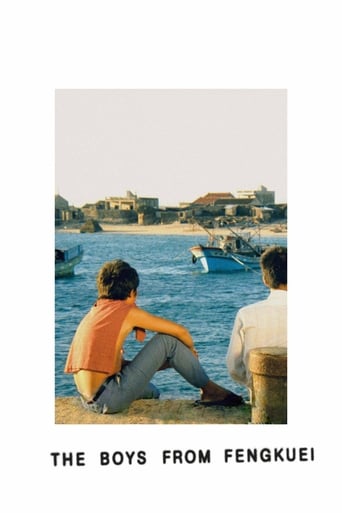
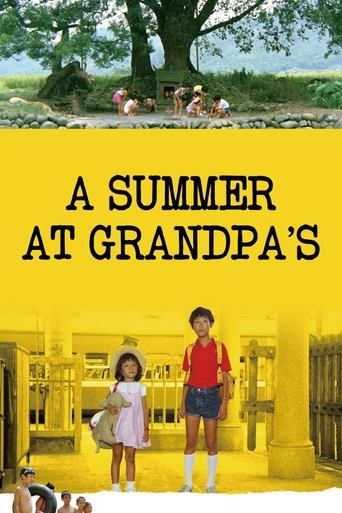
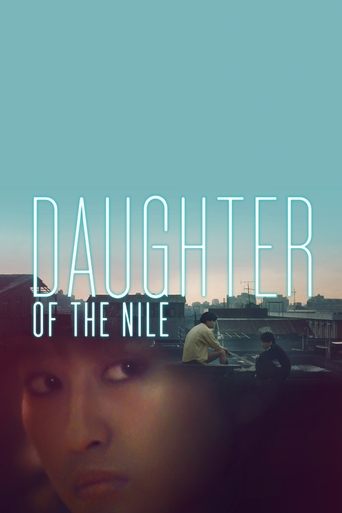
Hou Hsiao-hsien
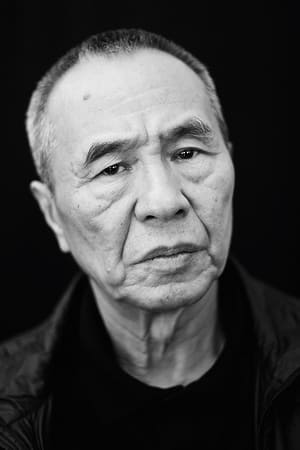
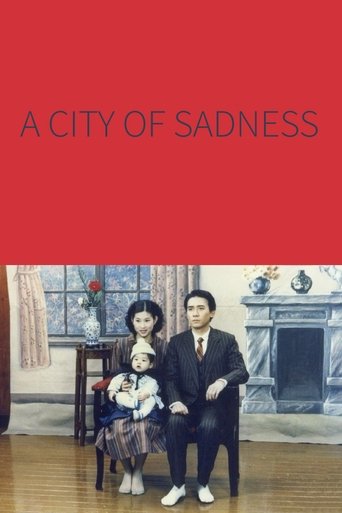
A City of Sadness broke the screen silence on Taiwan's White Terror. Hou's long, patient shots hold families, gangsters and history in one frame until time itself becomes the drama.
Start here
Flowers of Shanghai
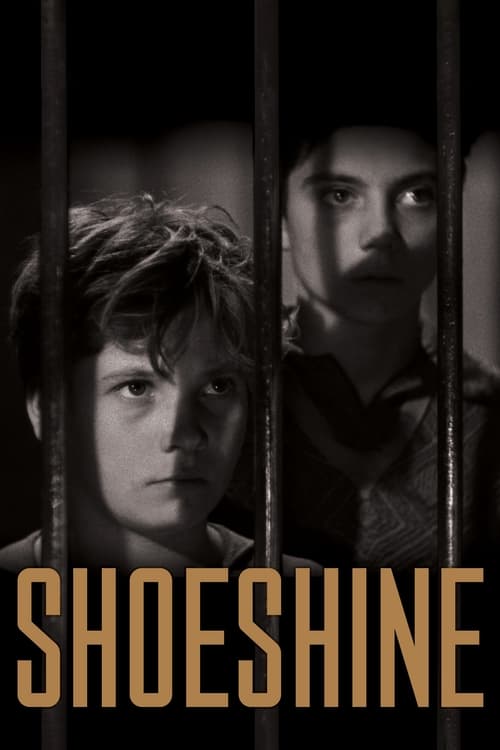
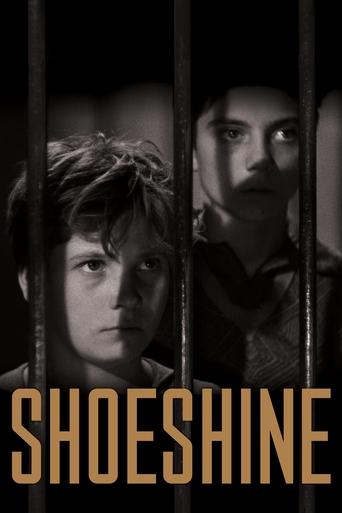
Two shoeshine boys in postwar Rome, Italy save up to buy a horse, but their involvement as dupes in a burglary lands them in juvenile prison; the experience take a devastating toll on their friendship.

Defining films



Keep following

Both filmmakers use duration and landscape as spiritual inquiry, cinema as meditation on time, trauma, and national memory inscribed in geography.
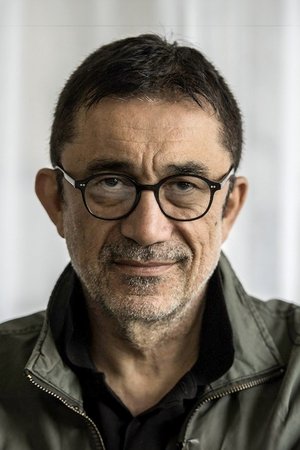
Shared obsession with rural spaces and long takes that allow history to accumulate in the frame, the personal inseparable from the historical wound.

Both create opaque narratives where sound and image drift apart, cinema that privileges atmosphere and sensation over plot, memory over clarity.

Architects of post-war Asian cinema, both making formally restless films about national identity, constraint, and the cinema itself as act of resistance.