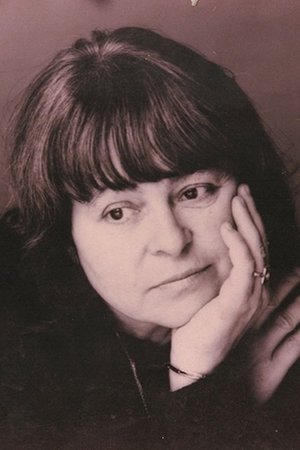
Kira Muratova
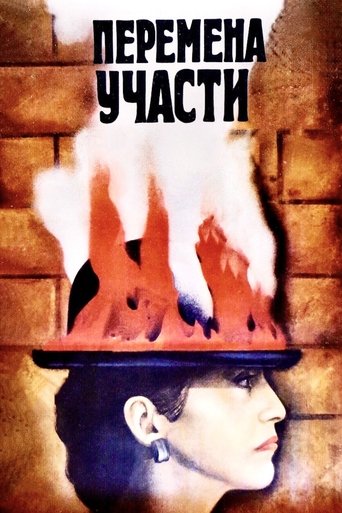
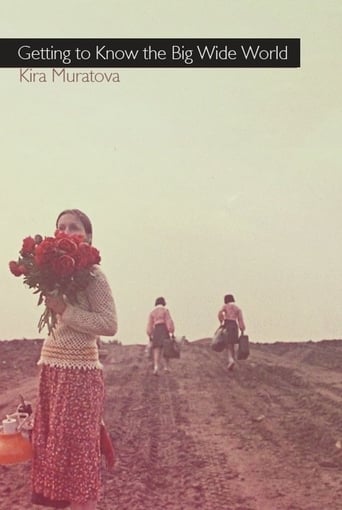
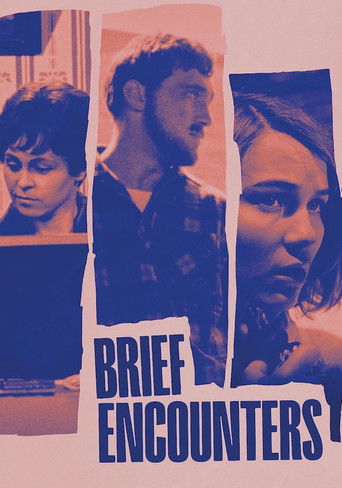
Brief Encounters and The Asthenic Syndrome were shelved or banned by Soviet censors. Her jagged rhythms and looping dialogue turn bureaucratic absurdity into something closer to music, cinema that argues with itself mid-sentence.
Start here
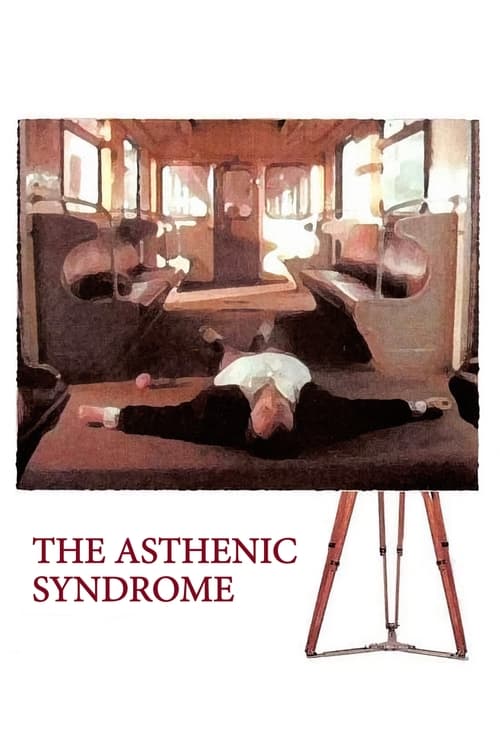
The Asthenic Syndrome
In the old days it was called hypochrondria, or black melancholia. Now, apparently, it's termed the Asthenic Syndrome.

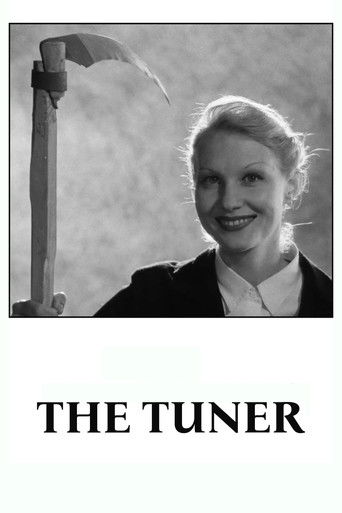
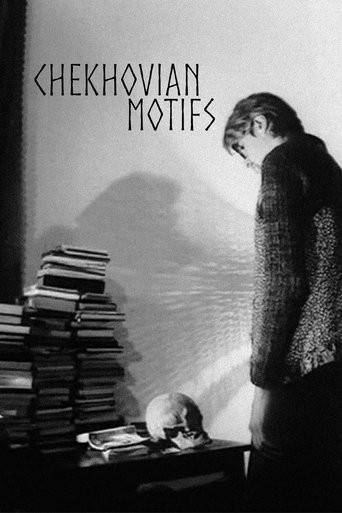
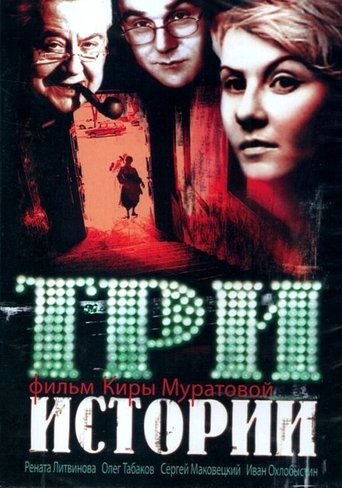
Defining films
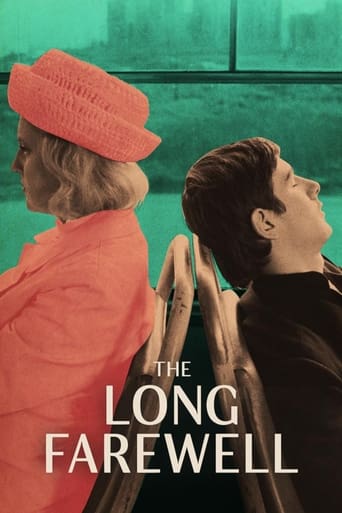
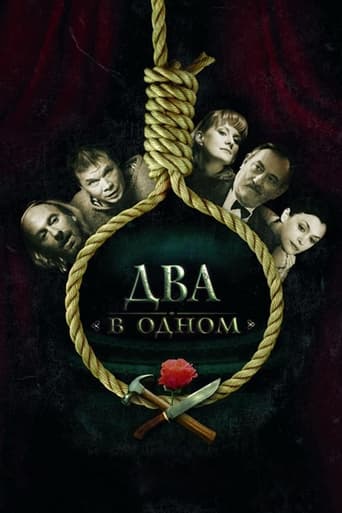
Keep following
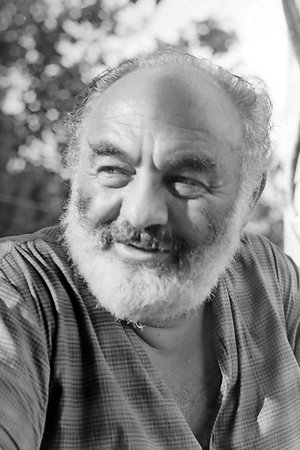
Both Soviet-era rebels working against state censorship through formal abstraction, color, duration, and fragmentation as political language.

Shared mastery of temporal duration and emotional restraint, both filmmakers believe cinema lives in what is not said, in the spaces between bodies.
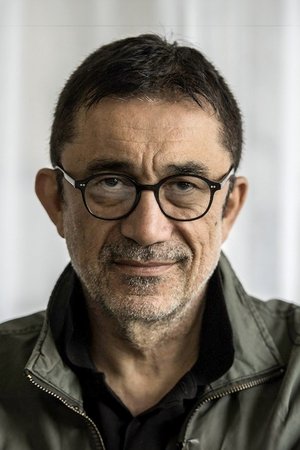
Both excavate provincial alienation through patient observation and compositional precision, cinema as portraiture of spiritual emptiness.
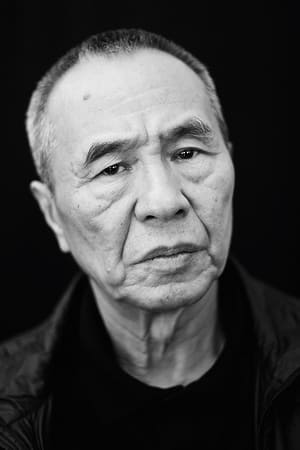
Masters of the anti-narrative, both treating historical trauma and personal loss through oblique framing and glacial pacing, time as the true subject.