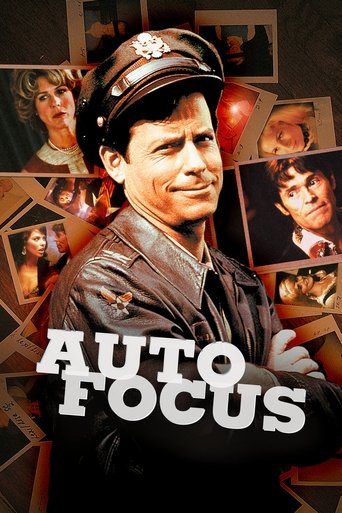
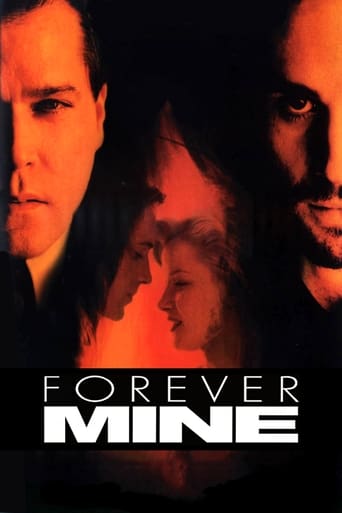
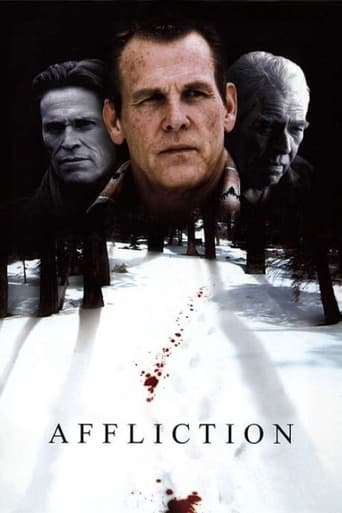
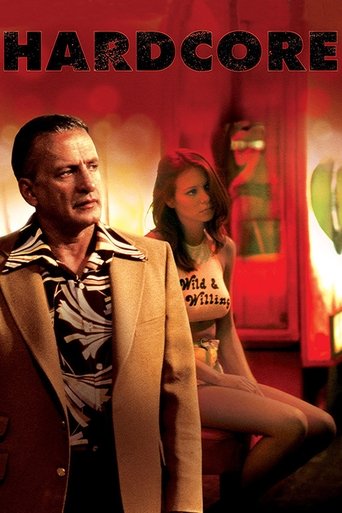
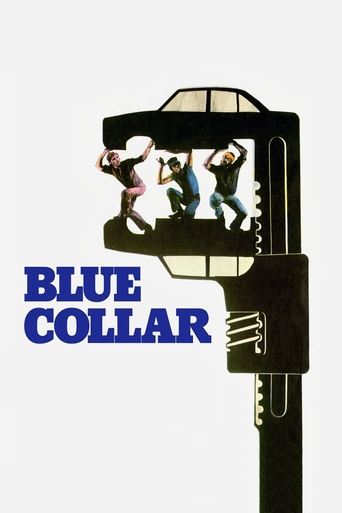
Paul Schrader
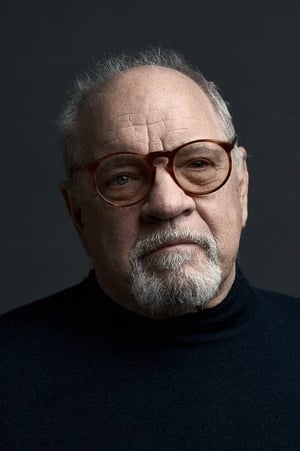
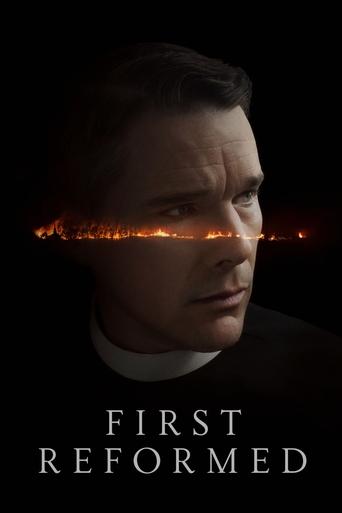
He wrote Taxi Driver at 26, steeped in Bresson and self-destruction, and has been directing men in locked rooms ever since. First Reformed distills fifty years of guilt, faith and discipline into one pastor's diary.
Start here
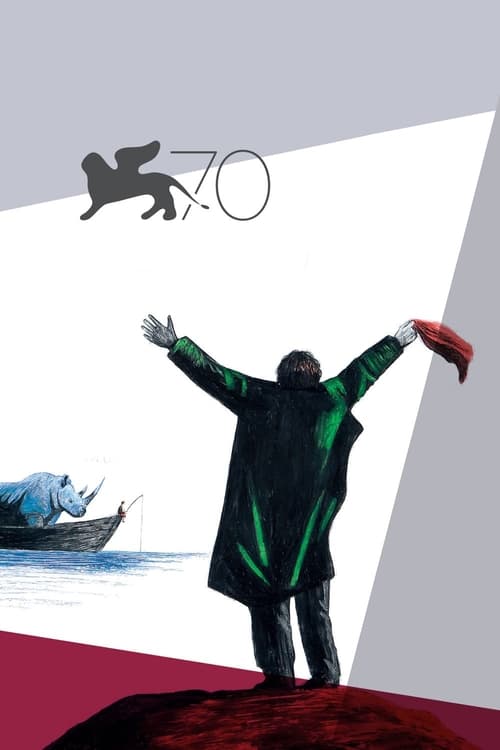
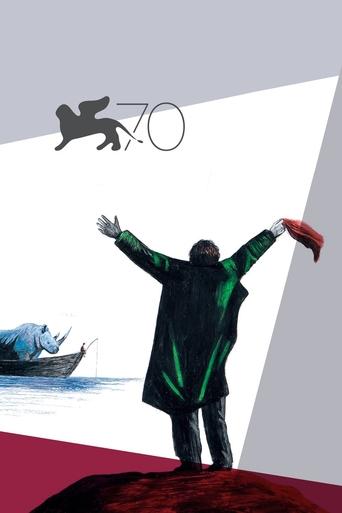
Venice 70: Future Reloaded
Made for the Venice Film Festival's 70th anniversary, seventy filmmakers made a short film between 60 and 90 seconds long on their interpretation of the future of cinema.
Defining films

Keep following
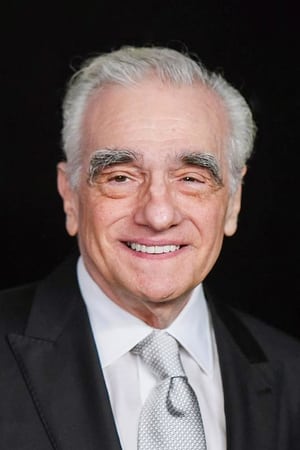
Twin prophets of Catholic guilt and masculine violence, both mining the same spiritual dread, one through the underworld, one through the bourgeois home.
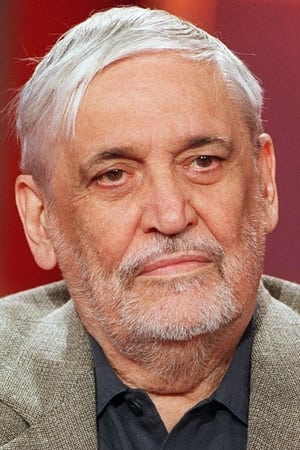
Both interrogate faith, desire, and the cruelty of intimate relationships with unflinching physicality, cinema as moral reckoning.
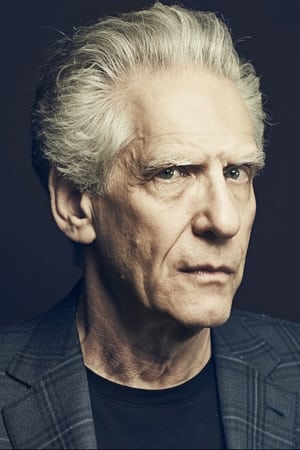
The body as text for psychological torment, both refuse to sentimentalize suffering, both treat physical transgression as spiritual inquiry.

Both excavate the erotics of power and powerlessness with rigorous precision, passion as consequence, not transcendence.
In their own words
The true transcendental film is one that takes the narrative from melodrama, from violence, from sex, from all the normal hooks that pull you into a movie, and gradually transcends them and goes to a higher place.
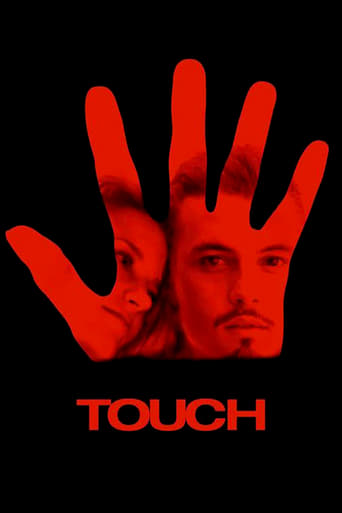
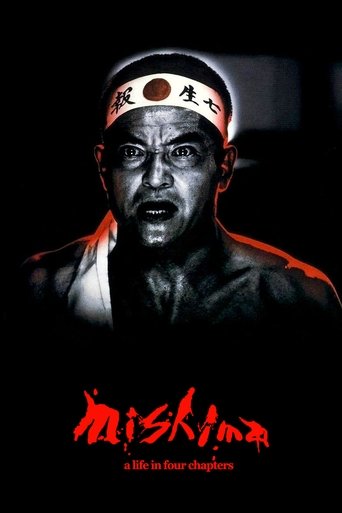
I've truly adhered to [the transcendental style] in Mishima and First Reformed. Others like Touch or The Comfort of Strangers have flirted with it or been inspired by it.
I had seen two films that made a big impact on me: Robert Bresson's Pickpocket and Jean-Pierre Melville's Le Samouraï. They both featured these alienated, ascetic, almost monastically solitary antiheroes. I thought, I can make a modern American version of that story, where the guy is driving a taxi.
The whole idea of the Man in the Room, the diarist, that came out of Bresson, Diary of a Country Priest. It's a very clear line that started with Taxi Driver, First Reformed, and now Master Gardener.
Critical context
b. Paul Joseph Schrader, 22 July 1946, Grand Rapids, Michigan, USA