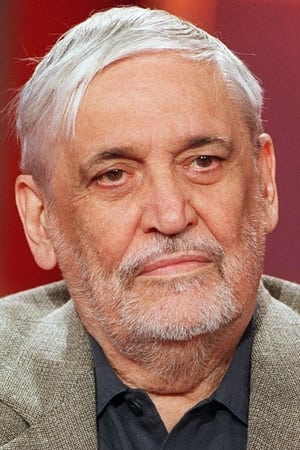
Maurice Pialat
Loulou, À nos amours and Van Gogh are cinema stripped to raw encounter: scenes that feel caught rather than staged, tempers that actually fray. Pialat cut anything that smelled of sentiment and kept what happens between people.
Start here
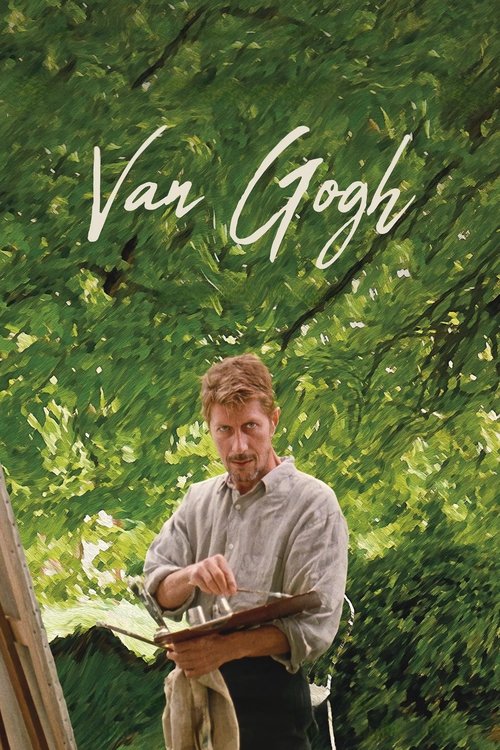
Van Gogh
After leaving the asylum, Vincent van Gogh settles in the home of Doctor Gachet, where he keeps painting amidst the torments of his failing mental health. He begins an affair with his host’s daughter, however, she soon realizes that he doesn’t love her and that his heart beats only for art.

Defining films

Keep following

Both post-Godard French New Wave inheritors obsessed with the mundane cruelty of love and sex, cinema as unflinching confession.

Both render desire and physical proximity with anthropological precision, bodies as the true subject of cinema, not psychology.
Shared commitment to behavioral realism and the emotional weather of ordinary lives, improvisation as a path to truth.

Contemporary European auteurs who reject sentimentality, both anatomize family, desire, and power through an unsparing lens.