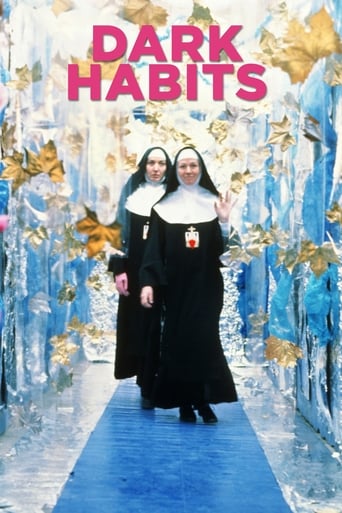
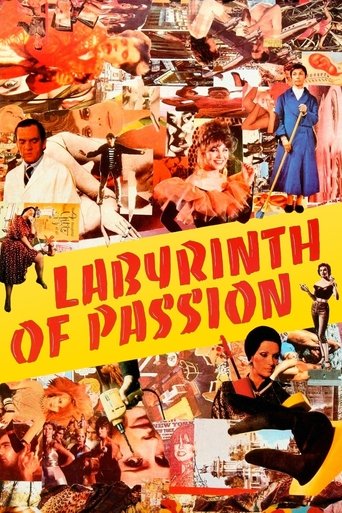
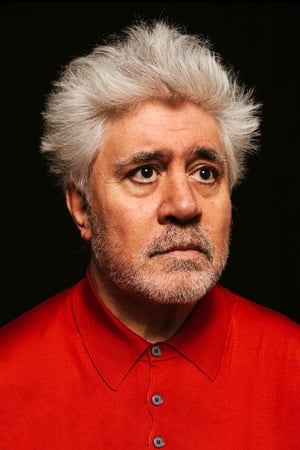
Pedro Almodóvar
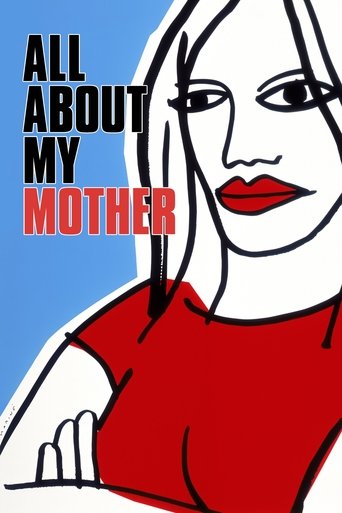
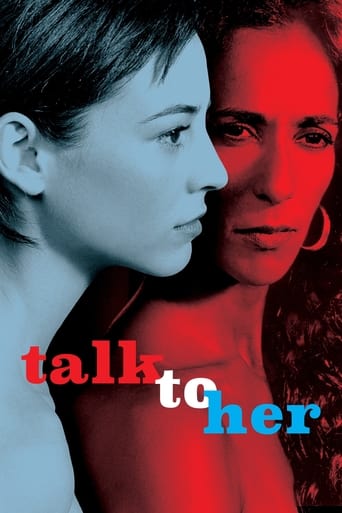
From punk-era Madrid comedies to All About My Mother and Talk to Her, Almodóvar built a cinema of saturated color, melodrama and unruly desire, returning always to mothers, lovers and reinvention.
Start here
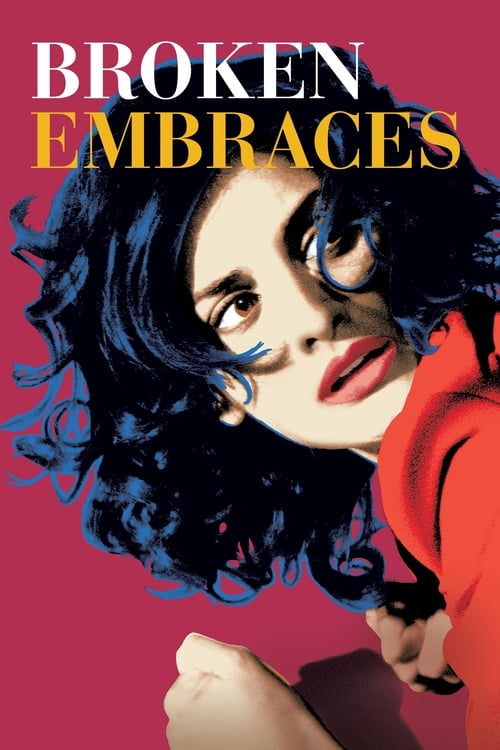
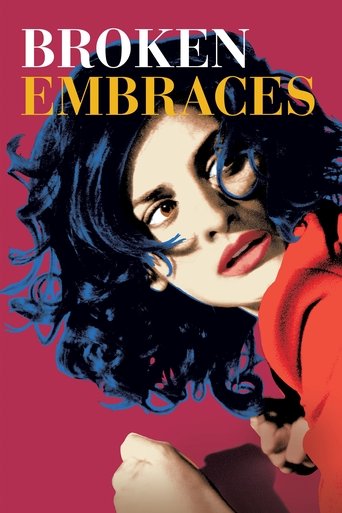
Broken Embraces
Harry Caine, a blind writer, reaches this moment in time when he has to heal his wounds from 14 years back. He was then still known by his real name, Mateo Blanco, and directing his last movie.

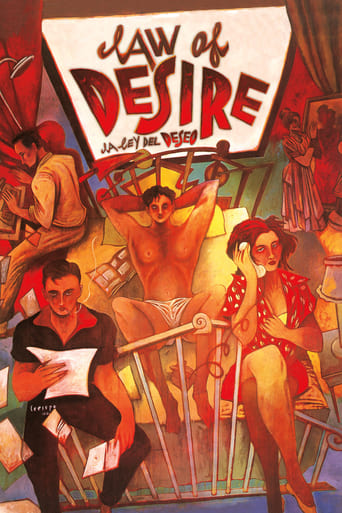
Defining films
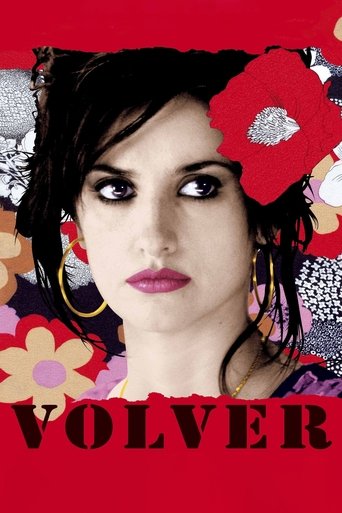
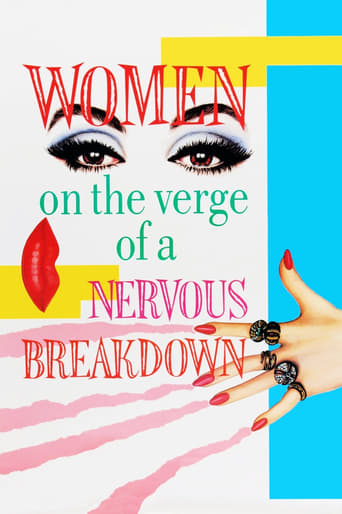
Keep following
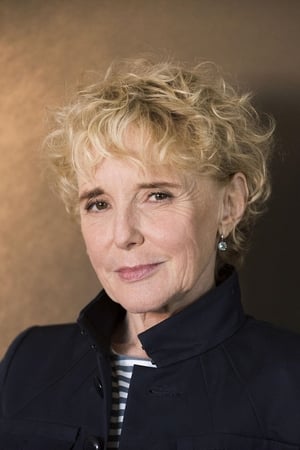
Both explore the body as a site of desire and memory, with silences that carry more weight than any dialogue.
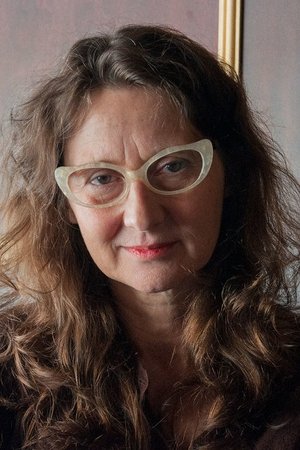
A shared obsession with female interiority, repressed desire, and the suffocating architecture of domestic spaces.
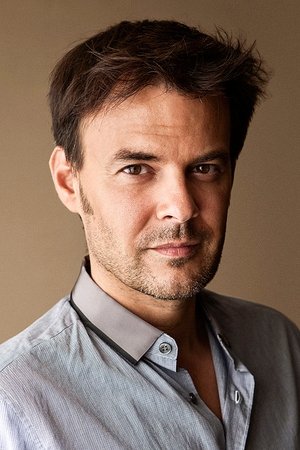
Both work in the great melodrama tradition, sexuality and gender explored with formal and emotional daring.
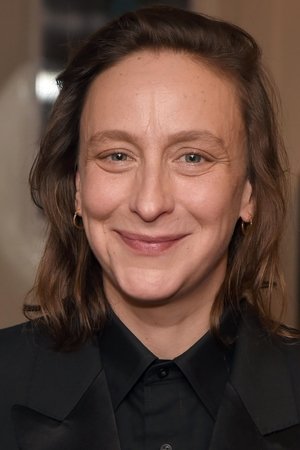
Both distributed by Pathé internationally; heirs to the tradition of female-centered European art cinema.
Post-Franco Spanish New Wave contemporaries, both exploring modern Spanish identity from dictatorship's shadow.
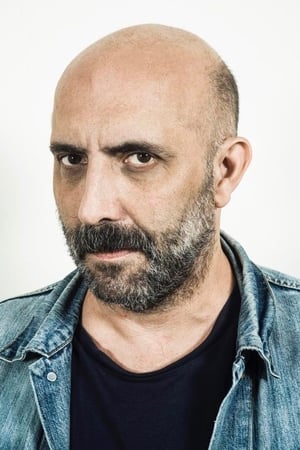
Both released through Wild Bunch in Europe; both use sensuality as a form of cinematic assault.
In their own words
The film itself didn't influence Matador, because it's completely different, but the general concept of desire in Querelle and its visual abstraction might have influenced me.
The Italian masters, particularly Antonioni, for the way he reflected the loss of identity or the disappearance of a character, served as a reference point for me.
Persona influenced me by the idea of an intense relationship, a conversation between two women, where one of them is silent. That image of Bibi Andersson in the bed, very still, has followed me for many years and influenced my visual approach to scenes of main characters in the bed.
The general concept of desire in Querelle and its visual abstraction might have influenced me.
Films by decade