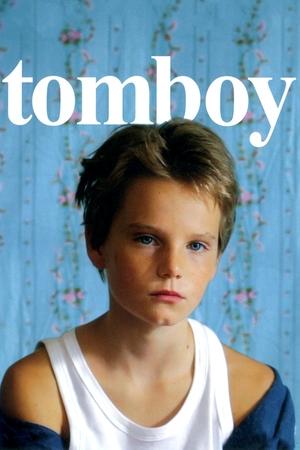
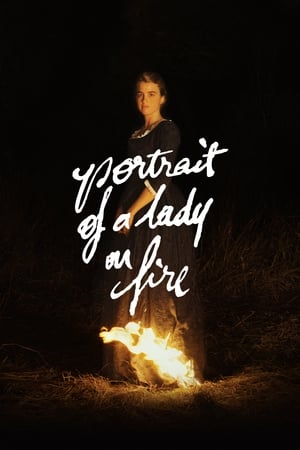
Tomboy, Portrait of a Lady on Fire and Petite Maman each study how a woman learns to be seen. Sciamma strips away score and clutter until a glance carries the plot, and desire reads as a form of attention.
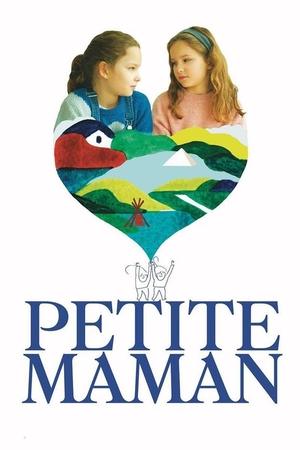
After the death of her beloved grandmother, eight-year-old Nelly meets a strangely familiar girl her own age in the woods. Instantly forming a connection with this mysterious new friend, Nelly embarks on a fantastical journey of discovery which helps her come to terms with this newfound loss.
Both render desire and female subjectivity through sensory precision, bodies in space, skin, breath. Cinema as intimate archaeology.
Both celebrate female desire and solidarity with visual tenderness. Love and loss rendered not as tragedy but as the most ordinary, necessary human experience.
Both Pathé distributed internationally; masters of temporal layering and memory, cinema that trusts viewers to read what remains unsaid.
Both filmmakers of female interiority and passionate self-invention, cinema centered on women's gazes, their histories rewritten through desire.
Films like 'Fanny and Alexander' or 'The Spirit of the Beehive' showed me that you can be very specific and also very universal when depicting the inner world of children.
I was very much inspired by *La Belle Noiseuse* by Jacques Rivette, for example, which is a film about a painter and his model. It was very important for me, the idea of having a film about a painter and a model, and dealing with the process of the gaze, and going against the male gaze that's usually in these types of films.
I was very much inspired by La Belle Noiseuse by Jacques Rivette, which is a film about a painter and his model. It was very important for me, the idea of having a film about a painter and a model, and dealing with the process of the gaze, and going against the male gaze that's usually in these types of films.
I was very much inspired by La Belle Noiseuse by Jacques Rivette, for example, which is a film about a painter and his model. It was very important for me, the idea of having a film about a painter and a model, and dealing with the process of the gaze, and going against the male gaze.