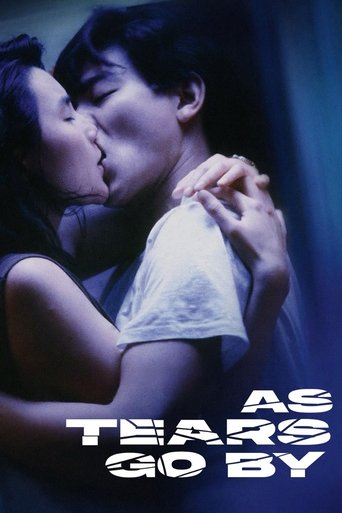
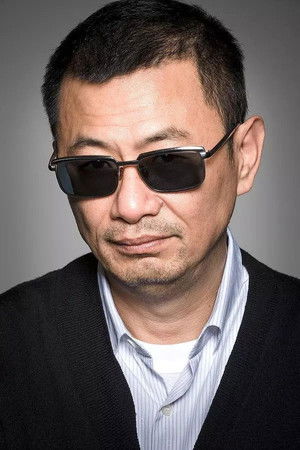
Wong Kar-wai
In the Mood for Love distilled two decades of longing into brushed shoulders and unsent letters. Wong shoots memory the way it actually feels: blurred, saturated, timed to the wrong clock, impossible to leave.
Start here
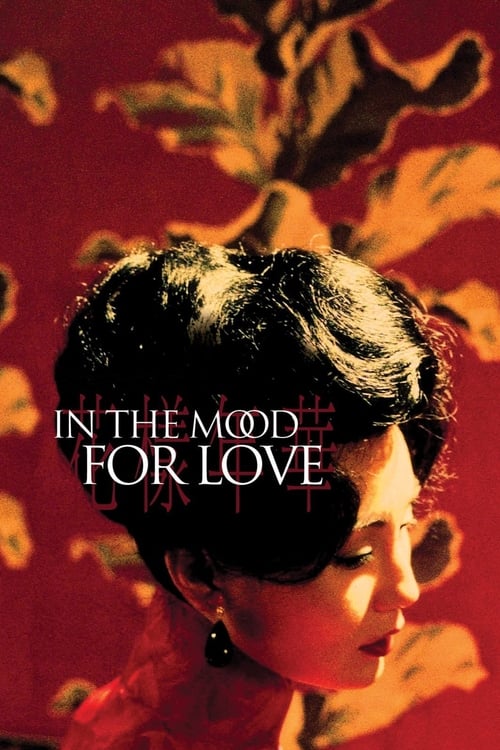
In the Mood for Love
In 1960s Hong Kong, two neighbors form an intimate bond after making a discovery about their spouses in this visually stunning tale of unrequited love.
Defining films
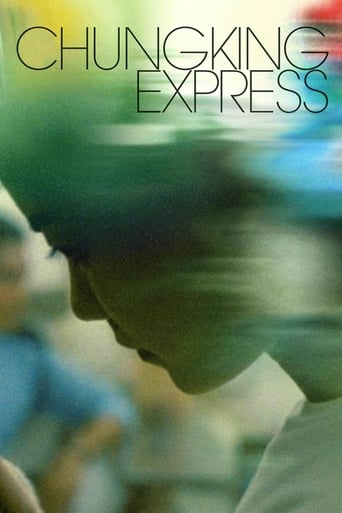
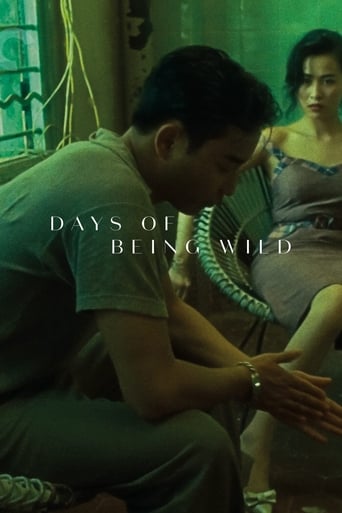
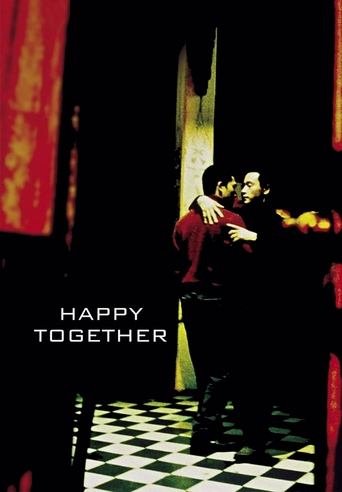

Keep following
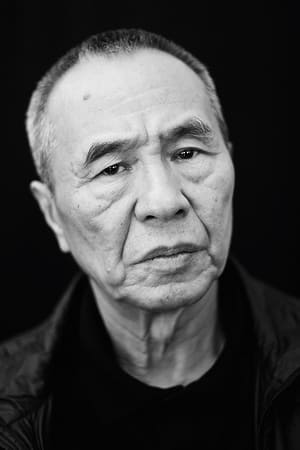
Both masters of ellipsis and memory, meaning built from what is left out rather than what is shown.

Lost in Translation shares Wong's grammar of longing, two people in the wrong time and the right place.
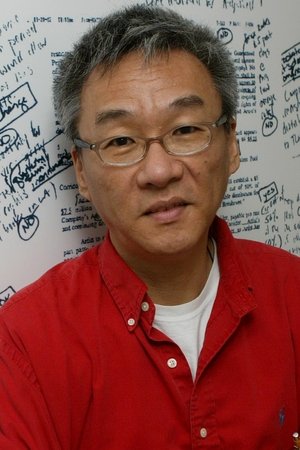
Taiwan New Wave peers who redefined Asian cinema's relationship with modernity and urban alienation.
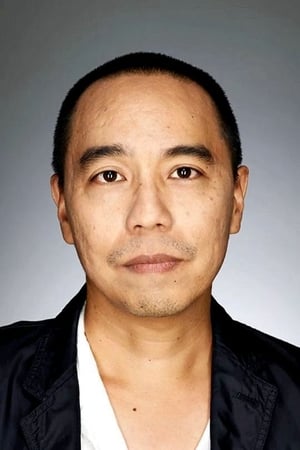
Both through Janus Films and Criterion in North America, the great slow cinema curatorial tradition.
In their own words
How you treat cinema as a character study, a character portrait, that's what I've always been struck by and tried to internalize for my own work.
He taught me that you don't need a huge budget, you just need ideas and energy, and you can break all the rules.
The thing that I'm always struck by, that I've tried to internalize for my own work, is how you treat cinema as a character study, a character portrait.
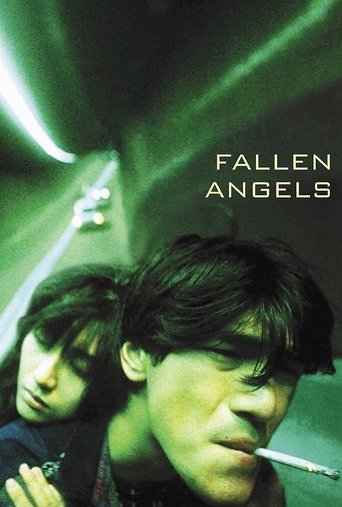
The way he approaches character, especially for 'Fallen Angels' and 'Chungking Express,' is very unique and powerful. Those films showed me new ways of storytelling.