Zeinabu irene Davis
Compensation stages a deaf love story twice, in 1910s and 1990s Chicago, borrowing the grammar of silent film. Davis works in the LA Rebellion lineage, centering Black women's interior lives on handmade terms.

Start here
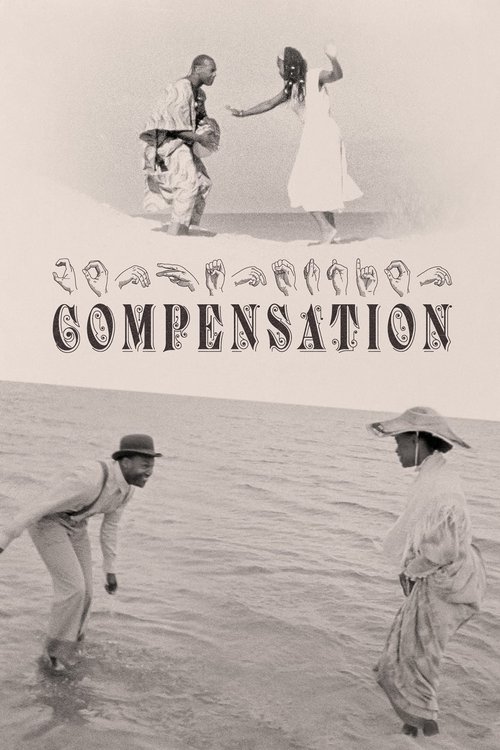
Compensation
The life of a deaf African American woman in the early 1900s parallels with another living in the 1990s.


Defining films
Keep following

Both approach the body and memory through fragmented, sensory cinema, intimate portrait work that refuses easy narrative closure.

Both filmmakers excavate diaspora and ancestral presence through experimental form, ghosts and memory made visible.

Shared commitment to durational time, the supernatural as lived experience, and cinema as a space for invisible histories to surface.

Both working outside dominant film industries to articulate Black subjectivity, poetic resistance through experimental and independent practice.