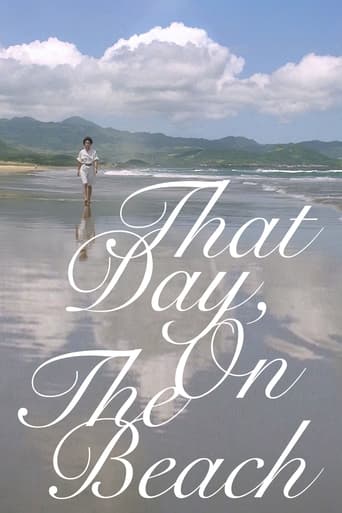
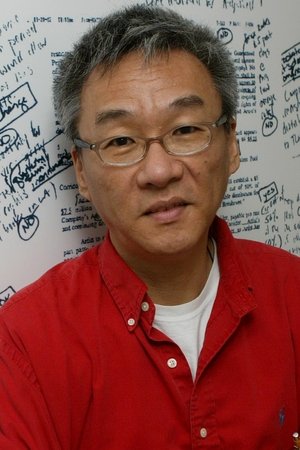
Edward Yang
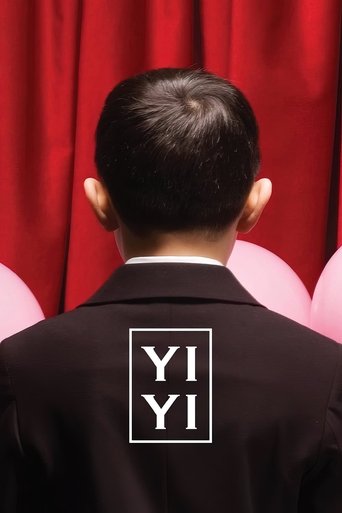
Yi Yi and A Brighter Summer Day are novels in film form: Taipei families, business partners and teenagers caught mid-modernization. Yang framed his city at the exact distance where tenderness and critique become the same shot.
Start here
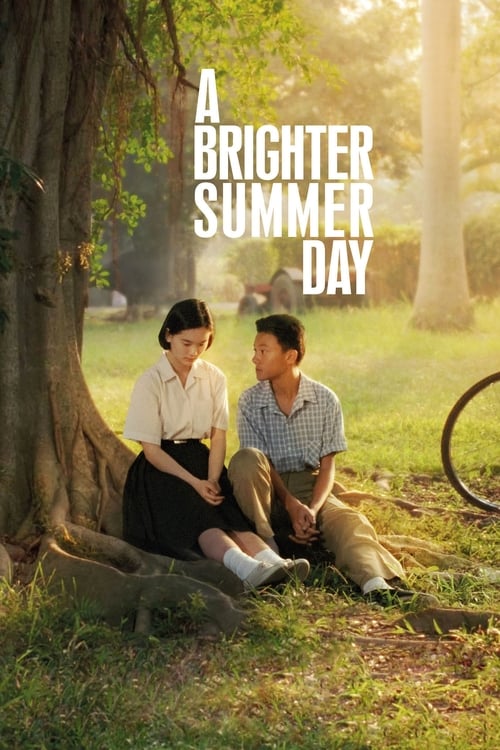
A Brighter Summer Day
A boy experiences first love, friendships and injustices growing up in 1960s Taiwan.


Defining films
Keep following
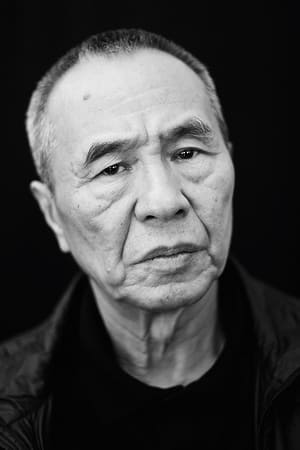
Co-architects of Taiwan New Cinema, both reject melodrama for the texture of everyday life, both treat duration as moral choice.
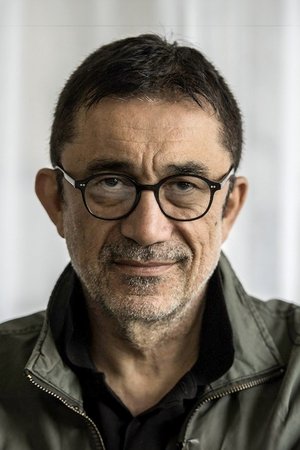
Both anatomize the middle-class family as site of profound estrangement, long scenes of people failing to speak what matters.
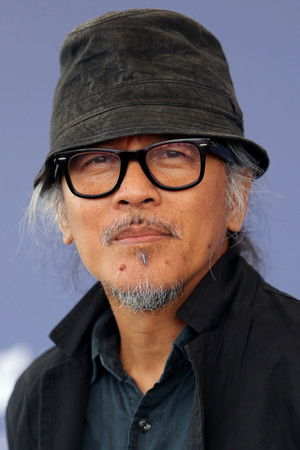
Both use extreme length and minimal plot to explore contemporary urban malaise, cinema as patient observation of drift and disconnection.

East Asian contemporaries interrogating modernity's costs, Yang through austere realism, Wong through neon and mood, both finding melancholy in the city.
In their own words
I'm quite impressed by some of the great directors, like Bergman and Antonioni, and especially Mizoguchi. They don't follow any trends, they just keep exploring the issues that they're interested in.
The Terrorizers, with the character of the novelist who lives in a high-rise apartment and looks out over the city, is a strong example that influenced my own approach to these kinds of cityscapes.