Discover great cinema and the connections that made it possible.
Film Movement
1950s–1960s
Japanese Golden Age
East Asian Cinema
Japan's post-war creative peak: Kurosawa's humanism, Ozu's stillness, Mizoguchi's formal perfection. Films made under occupation and reconstruction that became the foundation of world cinema's understanding of Japanese culture.
The cinema of Japan , also known domestically as hōga , began in the late 1890s. Japan has one of the oldest and largest film industries in the world; as of 2022, it was the fourth largest by number of feature films produced (634) and the third largest in terms of box office revenue and {{Lavaisa}}.
Source: Wikipedia
Key Directors
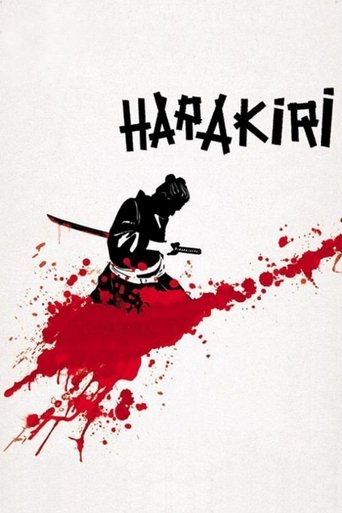
Masaki Kobayashi’s career coincides with the so-called Golden Age of Japanese cinema in the 1950s and 1960s. Despite the fact that some of his films such as the war trilogy Ningen no jōken ( The Human Condition , 1959-1961) and Seppuku ( Harakiri , 1962) had won international cri
Defining Films


Related Movements in East Asian Cinema