Discover great cinema and the connections that made it possible.
Film Movement
1982–1994
Taiwan New Wave
East Asian Cinema
Hou Hsiao-hsien and Edward Yang filming at the pace of memory. Long takes, often non-professional actors, history mediated through daily life. The camera placed at a distance — watching rather than participating.
Taiwan New Cinema was a film reform movement initiated by young Taiwanese filmmakers and directors which took place from 1982 to 1987. Taiwan New Cinema films primarily showcase a realistic style with their depictions of subject matter close to the social reality, offering a retrospective look into the lives of the common people. Taiwan New Cinema brought about a new chapter for the cinema of Taiwan with its innovative form and unique style.
Source: Wikipedia
Key Directors
The cartographer of modern alienation. Yang maps the interior lives of Taipei's middle class with surgical precision — conversations that circle endlessly, relationships that fail to connect, time spent in rooms waiting for meaning. His films are about what remains unsaid, the small distances between people who share a bed.
The poet of time and memory made visible through landscape. His cinema is patient, elliptical, alive to the ghosts that haunt Taiwan's postcolonial present — history dissolved into light, faces caught between frames.
The poet of stasis and desire, where nothing happens and everything aches. His cinema moves at the speed of longing — long takes of empty spaces, bodies suspended in time, love as a kind of sickness that never breaks the surface.
Defining Films

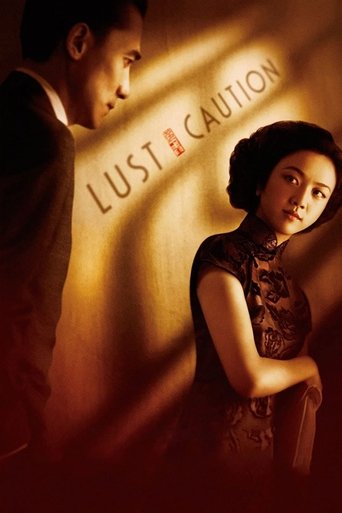



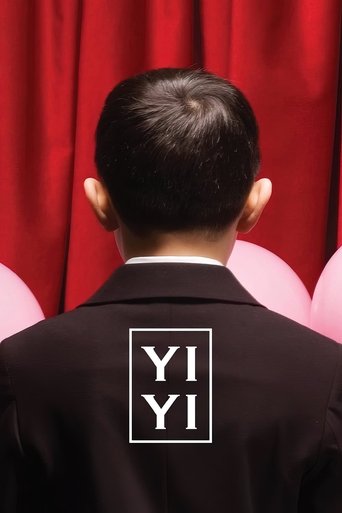
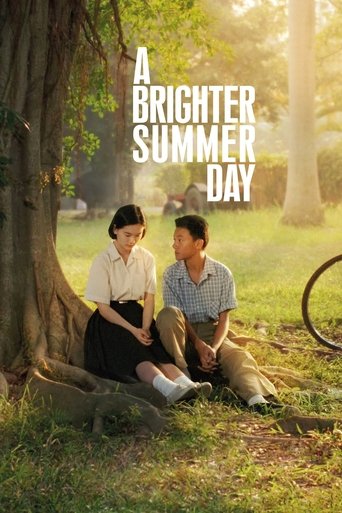
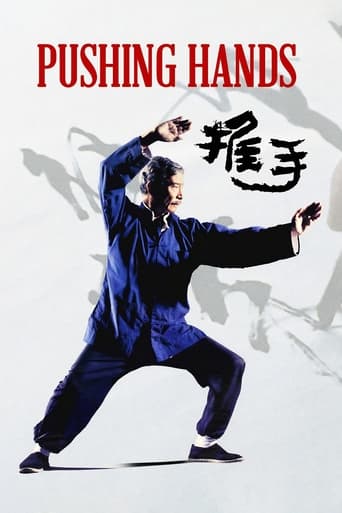
Related Movements in East Asian Cinema